Rapanea rhododendroides
Rapanea rhododendroides
Description
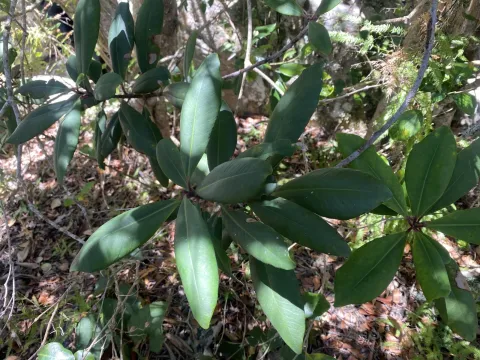
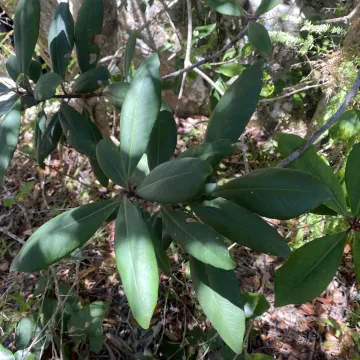
Rapanea rhododendroides is an evergreen woody species belonging to the Primulaceae family. It is recognized for its dense, leathery foliage which bears a striking resemblance to rhododendron leaves, a characteristic that defines its specific name. As a versatile plant, it functions both as a robust shrub and a small tree depending on the growing environment.
The plant originates from the high-altitude mountainous regions of tropical Africa, primarily within Afromontane forest ecosystems. These habitats are characterized by moderate temperatures and frequent mist, which the species has adapted to over millennia. Its natural range serves as a key indicator of its preference for stable, cool, and humid climates found in tropical highlands.
Botanically, Rapanea rhododendroides features a compact branching pattern and a sturdy root system designed for nutrient uptake in rocky or humus-rich soils. The leaves are typically dark green, oval-shaped, and arranged in terminal rosettes. The reproduction cycle involves small axillary flowers followed by fleshy drupes, which are essential for its natural propagation in the wild.
Cultivation requires strict adherence to soil moisture and drainage standards. The plant thrives in well-draining, slightly acidic soil mixtures that prevent root suffocation. In terms of agronomy, growers must avoid waterlogging at all costs, as the species is highly susceptible to root rot. Providing filtered light or morning sun is recommended to maintain the plant's health and leaf color intensity.
Economic and utility applications are currently focused on ornamental horticulture and ecological restoration projects. While not a primary agricultural crop in the mass-market sense, it holds value in local agroforestry for soil stabilization.
- Common pests include scale insects and mealybugs.
- Fungal infections may occur due to poor air circulation.
- Regular pruning is required to maintain architectural form.
Photo gallery