Ratibida tagetes
Ratibida tagetes
Description
Ratibida tagetes, commonly known as the prairie coneflower or Mexican hat, is a herbaceous perennial belonging to the Asteraceae family. It is recognized for its unique, cone-shaped floral structure and its remarkable resilience in harsh environmental conditions, making it a valuable plant for various agricultural and landscaping purposes.
Native to the prairies of North America, particularly in the southwestern United States and Mexico, this species has adapted to arid climates. It thrives in open, sunny habitats with poor soil quality, where other plants might struggle, establishing a niche in semi-desert ecosystems and xeriscaping projects.
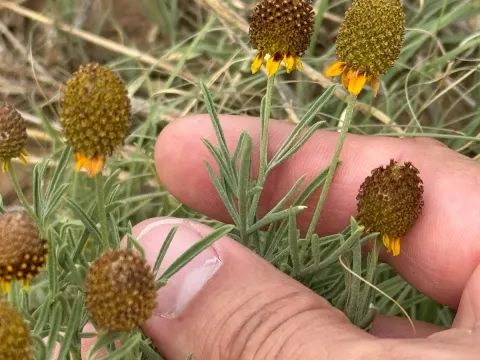
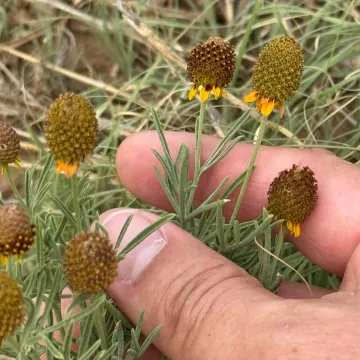
Botanically, the plant grows to a height of about 30–60 cm and features finely divided, grayish-green foliage. The inflorescences are distinct, characterized by an elongated central disk that darkens as it matures, surrounded by a short ring of drooping, golden-yellow to brick-red petals, resembling a miniature sombrero.
The cultivation requirements for Ratibida tagetes are relatively straightforward. It demands full sun exposure and well-drained, sandy or gravelly soils. Once established, the plant exhibits exceptional drought tolerance and requires minimal supplemental irrigation, making it an ideal choice for water-wise landscaping.
The primary use of this crop is in ornamental horticulture, ecological restoration, and as a component of wildflower meadows. It is generally resistant to most pests and diseases. However, growers should be cautious of excessive soil moisture, which may lead to root rot or fungal issues, ensuring the planting site has excellent drainage to prevent stagnation.
Photo gallery