Reichardia picroides
Reichardia picroides
Description
Reichardia picroides, commonly known as common reichardia or Mediterranean sea-kale, is a perennial herbaceous plant belonging to the Asteraceae family. It is increasingly valued as a specialty leafy green, prized for its unique, slightly bitter flavor profile that resembles endive or dandelion greens.
The plant originates from the Mediterranean basin and is widely distributed across Southern Europe, North Africa, and Western Asia. Throughout its native range, it has been harvested as a wild edible vegetable for generations, and its popularity is now driving interest in formal cultivation as a sustainable agricultural crop.
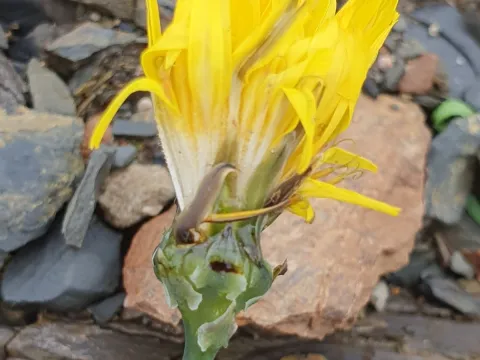
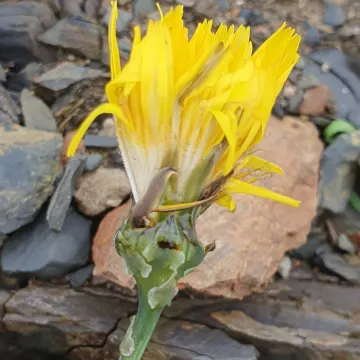
Botanically, Reichardia picroides features a dense basal rosette of deeply lobed or toothed leaves. The stems are typically thin and produce small, bright yellow flower heads that bloom throughout the warmer months. Its robust taproot system allows the plant to survive in diverse soil conditions, including thin or stony soils typical of coastal habitats.
Agricultural requirements for this crop are relatively modest. It thrives in full sunlight and requires well-drained, porous soil to prevent root rot. Being a Mediterranean native, it displays significant drought tolerance once established, though commercial growers should provide consistent irrigation to ensure the tenderness and mild taste of the harvested leaves.
In terms of management, the crop requires careful weed control during the seedling stage. Pests such as aphids and snails may pose challenges in humid conditions. However, when managed properly, it provides a consistent harvest of nutrient-rich greens that are highly sought after in modern culinary markets for their health benefits and versatile flavor profile.
Photo gallery