Reseda jacquinii
Reseda jacquinii
Description
Reseda jacquinii is a herbaceous species belonging to the Resedaceae family. Known for its resilience in arid environments, it represents a specialized plant often utilized in niche agricultural sectors, including beekeeping and xeriscaping, where its ability to thrive on minimal input is highly valued.
The plant originates from the Mediterranean basin, with its natural range extending across Southern Europe and parts of North Africa. It is typically found in rocky, well-drained soils and calcareous hillsides. Its evolution in these harsh environments has provided it with a robust physiological profile, making it a candidate for sustainable agriculture in dry climates.
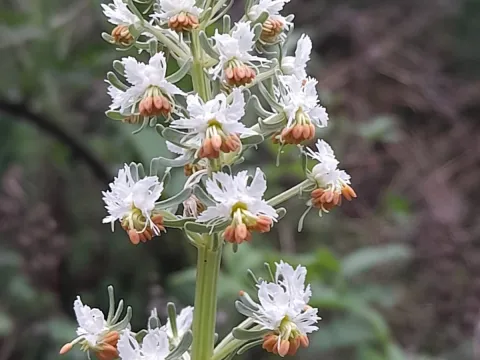
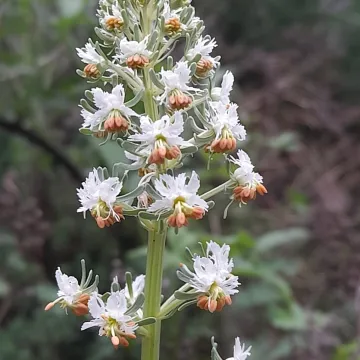
Botanically, Reseda jacquinii features a deep taproot, which allows it to scavenge for water and nutrients efficiently. The leaves are typically lanceolate or pinnately lobed, forming a basal rosette. The inflorescences are dense, terminal racemes of small, yellowish-green flowers that are highly attractive to pollinators throughout the flowering season.
Agricultural requirements focus heavily on soil structure and drainage. Sandy or loamy soils with a neutral pH are ideal. The crop requires full sun exposure and is highly susceptible to root diseases if planted in poorly drained, waterlogged substrates. Regular weeding during the establishment phase is essential as the species does not compete well with vigorous weeds in its early stages.
Economic and practical applications for this crop include:
- Provision of high-quality forage for honey production in arid zones.
- Utilisation in erosion control for sandy or stony terrain.
- Research into phytochemical properties for potential industrial applications.
Management of pests and diseases revolves around maintaining a dry, well-ventilated crop environment. Common issues include soil-borne fungi and aphids, which can be managed through crop rotation and integrated pest management practices. By respecting the specific ecological niche of this species, producers can achieve stable yields with low fertilizer and water requirements.
Photo gallery