Oriental mignonette
Reseda orientalis
Description
Oriental mignonette (Reseda orientalis) is an annual herbaceous plant belonging to the Resedaceae family. This species is recognized for its adaptability to arid conditions and its specific chemical profile, which makes it a subject of interest in specialized agricultural sectors.
Originating from the Mediterranean basin and Western Asia, the plant thrives in diverse terrains, including rocky slopes and steppe-like landscapes. Its natural distribution spans regions characterized by hot summers and low precipitation, reflecting its high drought tolerance.
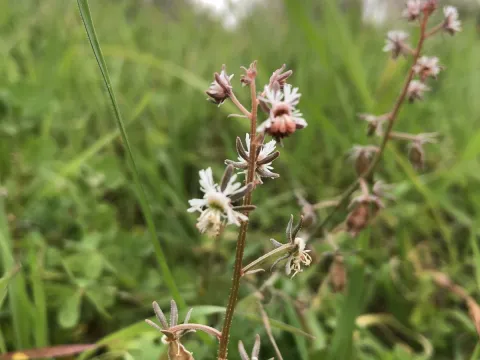
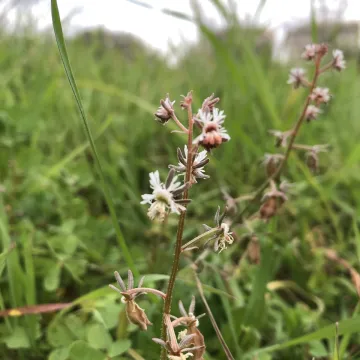
Botanically, the plant features a branched stem typically reaching heights of up to 60 cm, with narrow, elongated foliage. The flowers are small, arranged in terminal spikes, and produce a distinctive fragrance. The taproot system is deeply reaching, which allows the plant to sustain growth in nutrient-poor and dry soils.
Regarding soil and climate requirements, Reseda orientalis prefers well-drained, calcareous soils with a neutral pH. It is an obligate heliophyte, meaning it requires full sun exposure to flourish. Agricultural practices should focus on maintaining adequate spacing to prevent humidity build-up and ensuring the field remains weed-free during the initial growth stages.
The economic utility of oriental mignonette is diverse, encompassing its role as a high-quality nectar source for apiculture and as a source of extracts for the fragrance and cosmetic industries. Historically, certain parts of the plant were also investigated for natural pigment properties, though modern usage focuses more on biochemical applications.
- Excellent drought resistance
- High photophilic requirements
- Susceptibility to waterlogging
- Significant nectar production
Typical plant health issues involve fungal infections such as root rot, often exacerbated by poor drainage. Pests such as aphids and leaf-eating beetles can cause significant damage if not managed early in the season. Integrated pest management, focusing on biological controls and proper site selection, is the recommended strategy for maintaining crop health.
Photo gallery