Corn mignonette
Reseda phyteuma
Description
Corn mignonette (Reseda phyteuma) is a herbaceous plant belonging to the Resedaceae family. It is recognized for its unique floral architecture and ecological adaptability. While not a large-scale industrial commodity, it serves as a valuable niche crop for ecological farming, biodiversity enhancement, and ornamental horticulture.
The plant originates from the Mediterranean region and parts of Western Asia. It typically thrives in open, sunny habitats with well-drained soils. Its ability to tolerate dry conditions makes it a suitable candidate for marginal lands where intensive crops might struggle to establish or require excessive inputs for irrigation.
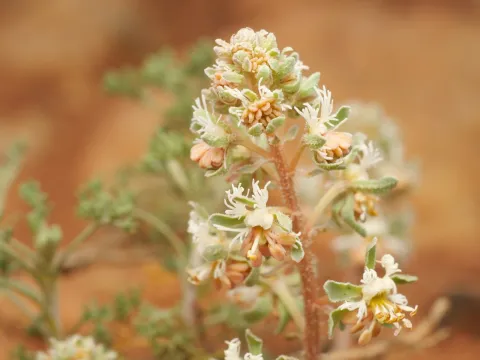
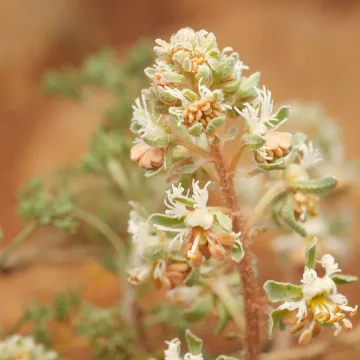
Botanically, this species typically reaches 20–50 cm in height, exhibiting a basal rosette of leaves and an erect flowering stalk. The inflorescences are dense, terminal spikes featuring small, greenish-yellow flowers. The fruit is a capsule, and the plant often exhibits a self-seeding behavior, which is an important factor to consider in field management and crop rotation cycles.
Agricultural requirements for Reseda phyteuma are relatively low. It thrives in loamy or sandy soils with a neutral to slightly alkaline reaction. The optimal sowing time is in early spring once the threat of severe frost has passed. It is considered a low-maintenance crop, requiring primarily weed management during the establishment phase and minimal fertilization thereafter.
The primary economic and agricultural functions of corn mignonette include:
- Serving as a high-quality forage plant for bees and beneficial insects.
- Enhancing local biodiversity in integrated pest management programs.
- Use in specialized landscaping projects for soil stabilization.
- Potential research applications in ethnobotany and chemical ecology.
In terms of plant health, this crop is generally robust. However, growers should monitor for common pests such as aphids or flea beetles that may affect leaf development in the early growth stages. Root rot may occur if the crop is cultivated on heavy, waterlogged soils. Ensuring excellent drainage and proper plant spacing remains the most effective strategy for maintaining crop health.
Photo gallery