Reseda stricta
Reseda stricta
Description
Reseda stricta is a herbaceous perennial plant belonging to the Resedaceae family. Known for its resilience in harsh environments, this plant occupies a unique niche in the study of desert-adapted flora, often attracting interest from researchers focused on drought-resistant agricultural crops.
The origin of Reseda stricta is linked to the arid landscapes of North Africa and Western Asia. Its natural distribution is characterized by sandy, rocky terrains where water availability is minimal. These harsh conditions have shaped the species, making it an excellent example of adaptation to low-resource environments and extreme temperature fluctuations.
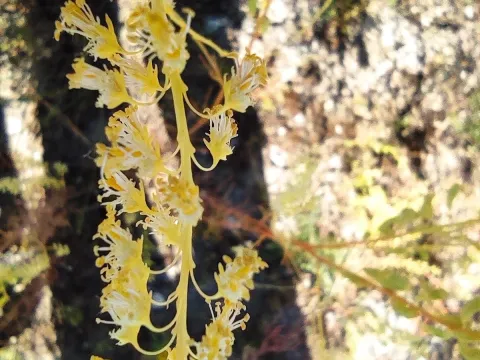
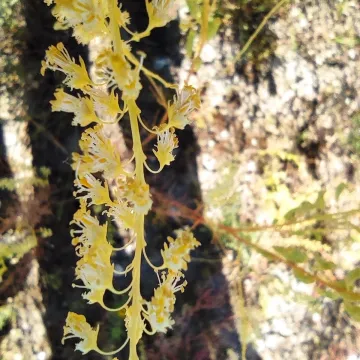
Botanically, the plant is distinguished by a stiff, upright stem that can reach heights of nearly one meter. The leaves are typically clustered in a basal rosette, while the inflorescence is a long, slender raceme of small, pale-colored flowers. This structure is highly efficient for pollination and seed dispersal in environments where water conservation is vital for survival.
Cultivation requirements for Reseda stricta are strict regarding drainage. It thrives in well-drained, alkaline, or neutral soils and requires full sun exposure throughout the day. Irrigation must be strictly controlled, as water stagnation is detrimental to the plant's root system, often causing rapid decline due to fungal rot. Nitrogen fertilizers should be kept to a minimum to maintain natural growth patterns.
- Extreme drought tolerance.
- Adaptation to poor, rocky, and saline soils.
- Minimal maintenance requirements.
- High potential for arid landscape restoration.
In terms of хозяйственное usage, Reseda stricta is not a conventional field crop, yet it holds potential in specialized areas such as soil stabilization and arid land gardening. Typical pests include local insects such as grasshoppers, while disease management primarily involves ensuring optimal soil aeration and preventing moisture-related pathogens, which are the most common threats to its health in non-native growing conditions.
Photo gallery