Reseda virgata
Reseda virgata
Description
Reseda virgata, commonly known as a type of mignonette, is a perennial herbaceous plant belonging to the Resedaceae family. It is recognized for its robustness and ability to thrive in challenging environmental conditions, making it an interesting subject for studies in sustainable agriculture and botanical research.
The native range of this species is centered in the Mediterranean basin and Western Europe. It is typically found in arid environments, stony slopes, and dry grasslands. Its evolutionary history in these habitats has endowed the plant with significant physiological adaptations, specifically for water retention and efficient nutrient uptake in low-fertility soils.
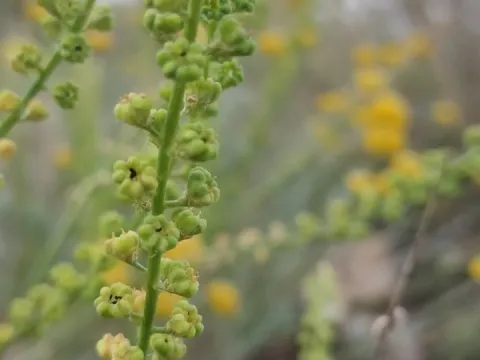
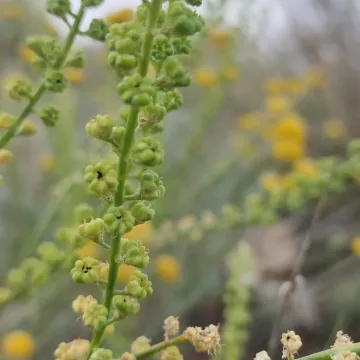
Botanically, Reseda virgata is characterized by its erect, branched stems and narrow, lanceolate leaves. It produces dense terminal racemes of small flowers, which are highly attractive to pollinators. The plant’s root system is deep and penetrating, which contributes to its overall endurance in regions with irregular precipitation patterns.
From an agrotechnical perspective, this crop thrives in well-drained, sandy, or calcareous soils. It is highly intolerant of waterlogged conditions, which can lead to root degradation. Successful cultivation requires choosing locations with full sun exposure and ensuring early-stage weed control to allow the plant to establish itself before the peak summer heat.
- High tolerance to drought and heat stress.
- Significant utility as an apicultural plant for honey production.
- Potential for use in specialized phytochemical extraction.
- Minimal fertilization requirements compared to conventional cereal crops.
Typical pest pressures include various Lepidoptera larvae that feed on the foliage. Regarding pathology, the plant is relatively resistant to major agricultural pathogens. However, agricultural managers must remain vigilant against root rot in poorly drained zones. Maintaining proper spacing and crop rotation is essential to prevent the accumulation of soil-borne pathogens.
Photo gallery