Retzia capensis
Retzia capensis
Description
Retzia capensis is a unique evergreen shrub that stands as the sole representative of the genus Retzia within the Stilbaceae family. Originally classified under Loganiaceae, this plant is recognized for its botanical distinctiveness. It serves as a prime example of the specialized flora found in the unique ecological niches of the Southern Hemisphere.
The origin of this species is strictly associated with the Cape Province in South Africa. The plant thrives in Mediterranean-type climates, characterized by wet winters and dry summers. In its native habitat, it is usually found on mountain slopes where it has adapted to survive in rocky, nutrient-poor soil with excellent natural drainage.
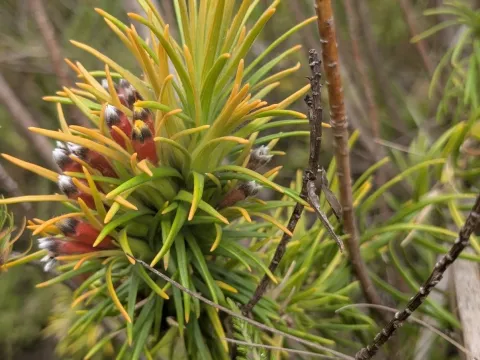
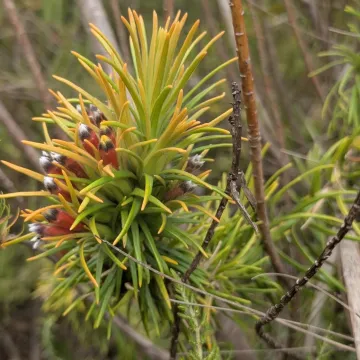
Botanically, Retzia capensis is noted for its erect growth habit and leathery leaves arranged in whorls along the stem. The most striking feature is its tubular, deep orange-red flowers that emerge from the leaf axils at the branch tips. These flowers are highly specialized, reflecting a long evolutionary adaptation to specific pollinators within the Cape floristic region.
Regarding its cultivation, the plant is considered challenging for the average gardener. Success depends on replicating its native conditions:
- a highly porous and acidic soil mix;
- excellent drainage to prevent root rot;
- cool and airy growing conditions;
- protection from excess moisture during dormant periods.
While Retzia capensis is not a widespread agricultural crop, its value lies in botanical conservation and specialized ornamental collections. Cultivators must be vigilant against typical threats such as soil-borne fungi and spider mites, which can proliferate if the environmental balance is disrupted. Due to its slow development, it remains a rare and highly sought-after plant among enthusiasts of South African biodiversity.
Photo gallery