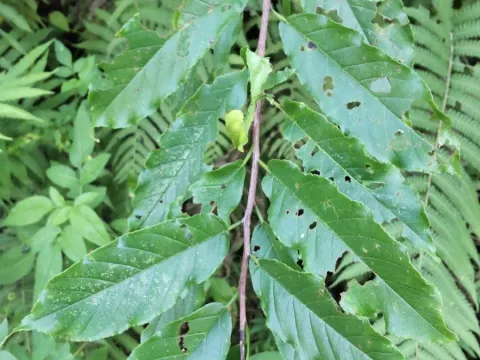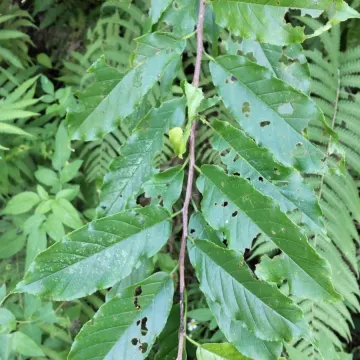
Rhamnella franguloides
Rhamnella franguloides
Description
Rhamnella franguloides is a woody plant species belonging to the Rhamnaceae family. It is typically characterized as a small deciduous tree or shrub that exhibits a graceful growth habit, making it a subject of interest in both botanical research and specialized horticultural applications.
Originating from East Asia, including China, Japan, and Korea, this species thrives in temperate forest climates. Its natural habitat is usually found on hillsides and in forest margins where the soil remains moist but well-drained, which mimics the ideal conditions required for its successful cultivation.
Botanically, the plant features alternate leaves with distinct venation and small, inconspicuous flowers that bloom in the spring. The fruit is a small, dark drupe. These structural traits provide the plant with high resilience against environmental stressors common to its native range.
In terms of agricultural requirements, the plant prefers fertile, slightly acidic to neutral soils. Maintenance involves adequate irrigation during the first few years of establishment and periodic pruning to enhance structural integrity. It is important to provide sufficient space to allow for its natural canopy development.
The economic and practical uses of this species include:
- landscape architecture and ornamental gardening;
- soil erosion control on sloping terrain;
- wood utilization for local small-scale crafts;
- support for local biodiversity as a nectar source.
Common issues include fungal diseases related to poor drainage and susceptibility to aphids during dry spells. Effective management strategies involve monitoring for leaf discoloration, ensuring proper air circulation within the canopy, and utilizing integrated pest management practices to maintain plant health throughout the season.
Photo gallery