Mediterranean buckthorn
Rhamnus alaternus
Description
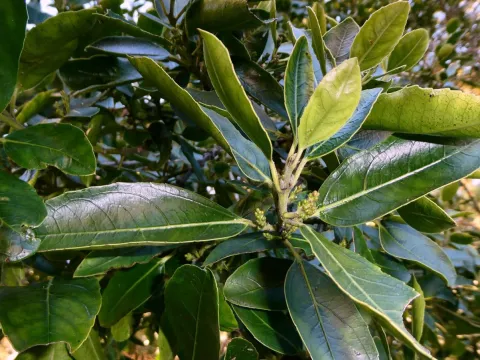
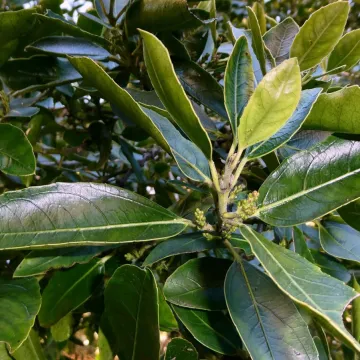
Mediterranean buckthorn (Rhamnus alaternus) is an evergreen shrub or small tree belonging to the Rhamnaceae family. This plant is widely recognized for its dense foliage, glossy leaves, and significant ornamental value in gardens located in temperate and Mediterranean climate zones.
The species is native to the Mediterranean basin, covering regions across Southern Europe, North Africa, and Western Asia. It typically thrives in scrublands and coastal areas, demonstrating a high tolerance for varying environmental conditions and poor soil quality.
Botanically, the plant is characterized by its leathery, alternate leaves and small, fragrant yellowish-green flowers that bloom in early spring. It produces clusters of berry-like drupes which undergo a color change from red to black upon ripening. The structure of the plant is dense and bushy, making it an excellent candidate for landscape architecture.
Cultivation requirements for Rhamnus alaternus are relatively straightforward. It prefers full sun or partial shade and thrives in well-drained soil, including limestone or rocky substrates. Once established, the shrub is drought-tolerant and requires minimal irrigation, although regular pruning is recommended to maintain its desired size and shape.
In terms of agricultural and horticultural use, Mediterranean buckthorn is highly valued for creating privacy screens, windbreaks, and topiary hedges. Its salt tolerance makes it a preferred choice for coastal garden design. Generally, it is resistant to most common pests and diseases if provided with adequate drainage and airflow.
- Excellent choice for privacy hedging.
- Highly tolerant of coastal salt spray.
- Low water requirements once mature.
- Easily maintained through regular pruning.
Photo gallery