California buckthorn
Rhamnus californica
Description
California buckthorn (Rhamnus californica, synonymously classified as Frangula californica) is a versatile evergreen shrub belonging to the Rhamnaceae family. Renowned for its resilience and year-round aesthetic appeal, this species is highly valued in horticulture for its dense, glossy foliage and its role in sustainable and water-wise landscape design.
Native to western North America, particularly California and the surrounding regions, the shrub thrives in a variety of habitats. From chaparral and coastal scrub to woodland environments, its historical adaptation to diverse microclimates makes it a robust candidate for cultivation in gardens with similar environmental conditions.
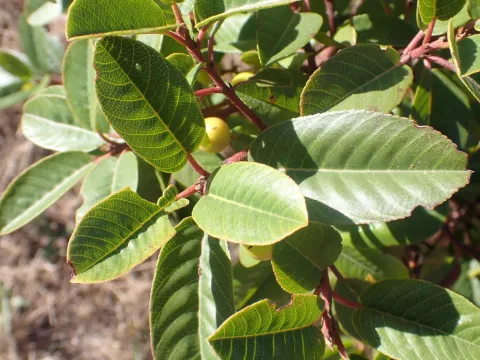
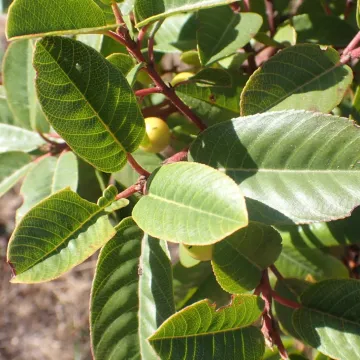
Botanically, the plant is characterized by its thick, leathery leaves which provide a dark, lush appearance throughout the year. It produces small, inconspicuous flowers in the spring, followed by berries that transition from red to a deep purple-black. These fruits are a vital food source for local bird populations and wildlife, enhancing the biodiversity of any garden where it is planted.
Cultivation requirements for this shrub are relatively straightforward. It performs best in well-draining soils and is remarkably drought-tolerant once established. While it prefers full sun to light shade, it is highly adaptable to various soil types. Basic maintenance includes occasional pruning to manage its shape and size, especially when used for privacy screening or formal hedges.
Primary agricultural and landscape uses include:
- Establishment of privacy hedges and screens.
- Erosion control on sloped landscapes.
- Pollinator-friendly garden design.
- Wildlife habitat restoration and food source provision.
Regarding health and protection, California buckthorn is generally hardy, though it may be susceptible to aphids or powdery mildew if planted in conditions with poor air circulation. Implementing proper spacing and ensuring the shrub is not waterlogged helps to prevent these issues, ensuring the plant remains a vibrant and healthy feature of the landscape.
Photo gallery