
Lanceleaf buckthorn
Rhamnus lanceolata
Description
Lanceleaf buckthorn (Rhamnus lanceolata) is a deciduous shrub species belonging to the Rhamnaceae family. Within the agricultural and forestry sectors, this plant is recognized for its durability and its role in ecological stabilization, making it a valuable candidate for conservation-focused landscape projects.
The species is native to North America, where it typically thrives in limestone-rich soils, open prairies, and woodlands. Its range of cultivation spans temperate zones, where it is valued for its hardiness against environmental stressors. The plant has evolved to survive in varied moisture conditions, reflecting its natural adaptive capacity.
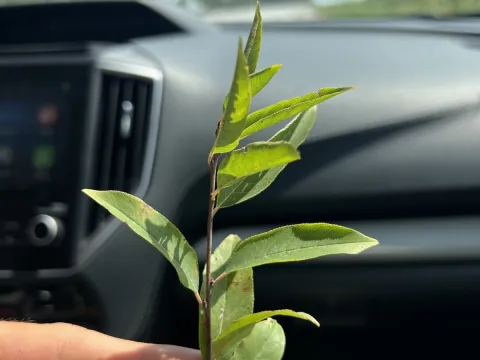
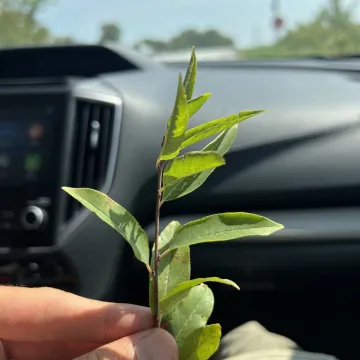
Botanically, Rhamnus lanceolata is characterized by its lance-shaped leaves and dense branching pattern. The shrub reaches a moderate height, typically between 2 to 3 meters at maturity. Its flowering cycle occurs in spring, leading to the development of small, dark, berry-like drupes that are essential for supporting local biodiversity by providing food for wildlife.
Cultivation requirements involve ensuring well-drained soil conditions with a preference for neutral to slightly alkaline pH levels. While the shrub is moderately drought-tolerant once established, it benefits from consistent soil moisture during its early development stages. Proper spacing is a key agronomic factor, ensuring sufficient air circulation to prevent foliage diseases.
The agricultural and environmental applications for Lanceleaf buckthorn include:
- Stabilization of sloping terrain to mitigate soil erosion.
- Deployment in multi-species shelterbelts to protect field crops from wind.
- Enhancing biodiversity on agricultural margins to host beneficial pollinators.
- Use as a resilient hedge plant in environmental restoration programs.
Management of the species includes monitoring for common issues such as powdery mildew and various leaf spot pathogens, which typically appear under conditions of poor ventilation. Insect pests such as aphids may occasionally impact young shoots. Utilizing integrated pest management (IPM) practices, such as pruning for airflow and biological control, effectively manages these risks.
Photo gallery