Rhamnus virgata
Rhamnus virgata
Description
Rhamnus virgata is a deciduous shrub belonging to the Rhamnaceae family. Known for its slender, wand-like branches, this plant is valued in horticulture for its compact growth habit and structural integrity. It serves as an excellent choice for landscape design, particularly for hedging and soil stabilization projects.
The species originates from regions of Central and Eastern Asia, where it typically inhabits forest margins and scrublands. Its natural range encompasses diverse terrains, ranging from lowland meadows to mountainous slopes. Due to its evolutionary adaptation to varying environments, it demonstrates significant resilience when cultivated in temperate climate zones.
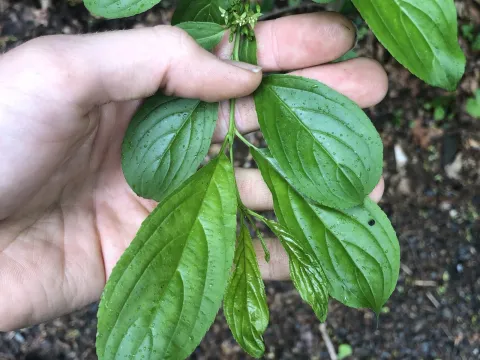
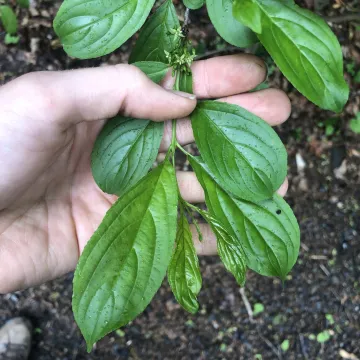
Botanically, Rhamnus virgata is characterized by simple, alternate leaves and small, inconspicuous flowers that transition into dark, berry-like drupes. The root system is robust and fibrous, which provides the plant with the ability to thrive in challenging soil conditions. The flexibility of its twigs, from which the specific epithet is derived, is a key morphological feature.
The cultivation requirements for this shrub are generally moderate. It prefers well-drained soil ranging from sandy loams to heavier clays, provided there is no stagnant moisture. Essential agricultural practices include spring pruning to maintain density and shape, as well as periodic soil enrichment with balanced fertilizers to support vigorous leaf development during the growing season.
Economically, the plant is primarily used for ornamental purposes and erosion control. While generally low-maintenance, growers should monitor for common issues such as aphid infestations or fungal leaf spot, which can be mitigated through proper airflow and site management. Its adaptability makes it a reliable choice for sustainable landscaping and environmental restoration projects.
Photo gallery