Yoshino buckthorn
Rhamnus yoshinoi
Description
The Yoshino buckthorn (Rhamnus yoshinoi) is a distinct species of woody shrub belonging to the Rhamnaceae family. While not as widespread in commercial agriculture as other ornamental shrubs, it holds significant botanical value due to its unique growth habit and its role in maintaining biodiversity in its native ecosystems.
Originating from East Asia, specifically regions within Japan, this species is well-adapted to temperate climatic conditions. Its natural distribution demonstrates an ability to thrive in protected forest edges and clearings, which informs the requirements for its successful cultivation in managed landscapes today.
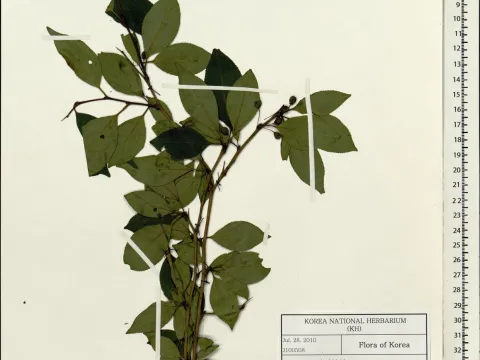
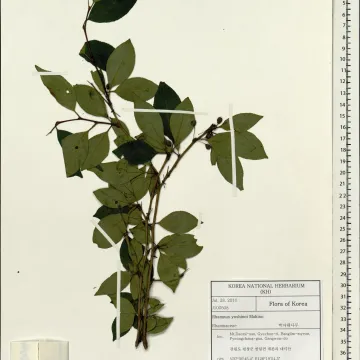
Botanically, Rhamnus yoshinoi is characterized by a dense branch structure and foliage that contributes to a compact and aesthetically pleasing appearance. The plant produces small, inconspicuous flowers which eventually develop into fleshy fruits, providing ecological benefits by attracting local avian fauna to the area.
Regarding agrotechnical requirements, the species favors fertile, well-draining soils with a neutral pH balance. It demonstrates a preference for positions that offer a balance of sunlight and partial shade. Consistent moisture levels, particularly during the establishment phase, are critical for promoting healthy leaf development and branch vigor.
Maintenance involves routine care such as annual mulching to regulate soil temperature and moisture, as well as light pruning to remove dead or diseased wood. While generally robust, the plant can be susceptible to common pests such as aphids or certain leaf-spot fungi. Early detection and standard horticultural interventions are sufficient to maintain plant health throughout the growing season.
Photo gallery