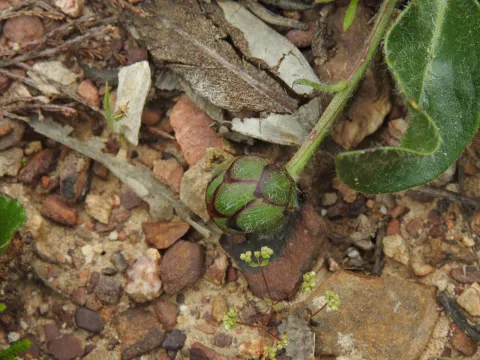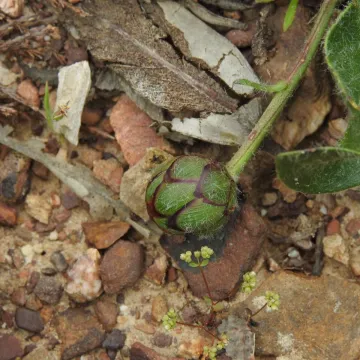
Rhaponticoides fraylensis
Rhaponticoides fraylensis
Description
Rhaponticoides fraylensis is a perennial herbaceous plant belonging to the Asteraceae family. This species is taxonomically distinct and shares characteristic features with other knapweeds but exhibits specific physiological adaptations that allow it to thrive in nutrient-poor and dry environments.
The origin and natural habitat of this plant are strictly associated with specific ecological niches characterized by high solar radiation and low precipitation levels. Within agricultural and horticultural contexts, it is increasingly recognized for its xerophytic properties, making it an excellent candidate for low-maintenance landscaping and biodiversity-focused garden projects.
Botanical characteristics include a robust taproot system designed for deep water absorption and a rosette of deeply lobed leaves. The inflorescences are typical for the family, consisting of colorful flower heads that appear during the peak of the summer season. The plant architecture is adapted to minimize water loss through transpiration, featuring structural modifications on the leaf surface.
Regarding cultivation requirements, the plant demands well-drained, porous soils with minimal organic matter content. Heavy, clay-based soils should be avoided or amended with gravel to prevent root rot. It is a heliophilous species that requires full sun exposure to maintain its compact growth form and to ensure successful flowering cycles throughout the vegetative period.
In terms of хозяйственного (economic/utilitarian) value, its primary use is aesthetic, providing stable growth in xeric conditions where more demanding plants fail. Disease resistance is generally high, though growers should monitor for aphids during periods of rapid spring growth. Providing adequate spacing between plants is essential to ensure proper air circulation and to prevent the development of powdery mildew.
Photo gallery