Rheum acuminatum
Rheum acuminatum
Description
Rheum acuminatum is a perennial herbaceous plant belonging to the Polygonaceae family. Unlike common culinary rhubarb varieties, this species is noted for its distinctive morphological traits and its adaptation to extreme environments, making it a subject of scientific and botanical interest.
The plant originates from the high-altitude regions of the Himalayas, including parts of China, Nepal, and India. It thrives in alpine meadows and rocky slopes at high elevations, which explains its tolerance for cool climates and its specific requirements for soil conditions and temperature cycles throughout the year.
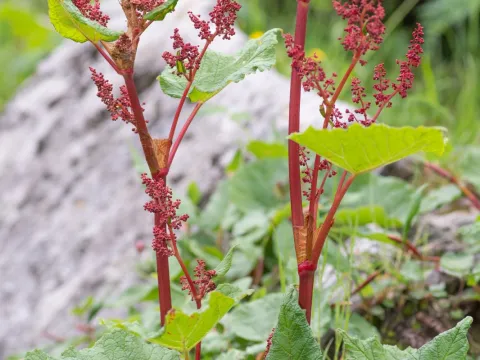
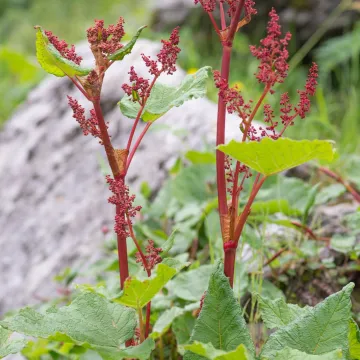
Botanically, Rheum acuminatum is characterized by a robust rhizome and a rosette of leaves that are notably acuminate (tapering to a point), which serves as its primary diagnostic feature. It produces upright flowering stalks with small, dense, panicle-like inflorescences that bloom during the summer months in its native habitat.
In terms of cultivation, this species requires well-draining, nutrient-rich soil with a neutral to slightly acidic pH. As an alpine plant, it is sensitive to heat and high humidity, which can lead to rapid decline. Successful cultivation often involves providing filtered light or partial shade in hotter climates and maintaining consistent but moderate moisture levels to mimic the mountain environment.
The economic and practical significance of this plant is focused on:
- Pharmaceutical research regarding its chemical constituents.
- Traditional medicinal applications in regional herbal practices.
- Limited use in botanical gardens for its unique high-altitude aesthetic.
The plant is susceptible to common garden issues such as root rot, particularly in heavy or waterlogged soils. In agricultural settings, it is important to manage pests like aphids and leaf-eating beetles that can affect foliage health. Maintaining adequate air circulation between plants is crucial for preventing fungal outbreaks like powdery mildew, which can thrive in stagnant air conditions.
Photo gallery