Spiked rhubarb
Rheum spiciforme
Description
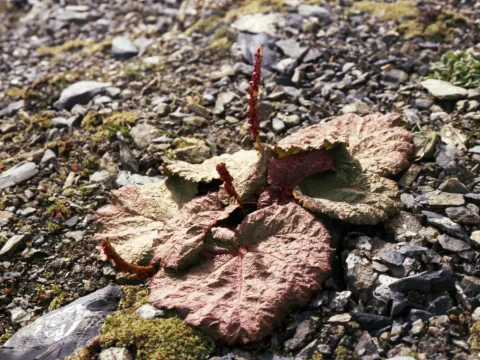
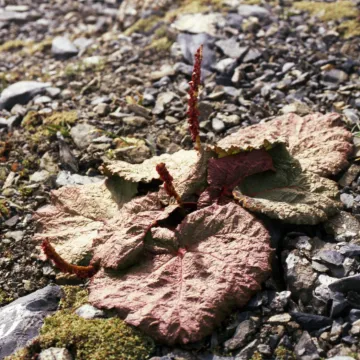
Spiked rhubarb (Rheum spiciforme) is a perennial herbaceous plant belonging to the Polygonaceae family. It is distinct for its specific growth habit and compact, spike-like inflorescences, which serve as its primary botanical identifier. As a member of the genus Rheum, it possesses a significant root system and is well-adapted to specific ecological niches.
The species originates from the alpine and sub-alpine regions of Central Asia, including the Himalayas and the Tibetan Plateau. Its natural habitat is characterized by high altitudes, rocky terrains, and cool climate conditions, which has resulted in the plant's high level of cold tolerance and resilience to extreme temperature fluctuations.
Botanically, the plant develops a thick, fleshy rhizome that functions as a storage organ for energy. The leaves are basal, typically rounded or kidney-shaped, with a robust texture. The flowering stalk rises above the foliage, culminating in a dense, spike-like raceme composed of numerous tiny flowers, differing from the more branched panicles found in common garden rhubarb.
Successful cultivation of Rheum spiciforme requires well-drained, nutrient-rich soils with a near-neutral pH. The plant thrives in cool environments and requires consistent moisture, though it is highly susceptible to root rot if waterlogged. Agricultural practices should focus on deep soil preparation, organic amendments, and ensuring adequate spacing to facilitate air circulation and minimize fungal growth.
- Preference for cool temperate climate conditions.
- Importance of deep soil tillage for rhizome development.
- Susceptibility to heat stress during mid-summer.
- Requirement for regular organic mulching.
In terms of economic use, the spiked rhubarb is utilized both as a culinary and medicinal crop. The succulent petioles are harvested for food, often used in culinary preparations similar to other rhubarb varieties. Medicinally, the rhizomes contain compounds known for their digestive and health-promoting properties, making them a subject of interest in both traditional and modern botanical medicine.
The plant can be affected by typical pests such as aphids and rhubarb curculio, which may damage the stems and leaves. Fungal pathogens like leaf spot and root rot are common, especially in areas with poor drainage or stagnant humidity. Integrated pest management, including crop rotation and maintaining good field hygiene, is essential to sustain high yields and plant longevity.
Photo gallery