Tree rhododendron
Rhododendron arboreum
Description
Tree rhododendron (Rhododendron arboreum) is a remarkable species belonging to the Ericaceae family. Unlike its smaller relatives, this species can reach the size of a substantial tree, making it one of the most prominent woody plants within the genus, often recognized as a national symbol in parts of the Himalayas.
Its natural range extends across the high-altitude forests of the Himalayas, India, Sri Lanka, and Bhutan. Growing in these mountainous environments, the plant has evolved to thrive in high-humidity, acidic soil conditions with cool, temperate climates. These natural habitat requirements serve as the fundamental guide for successful cultivation in horticultural settings.
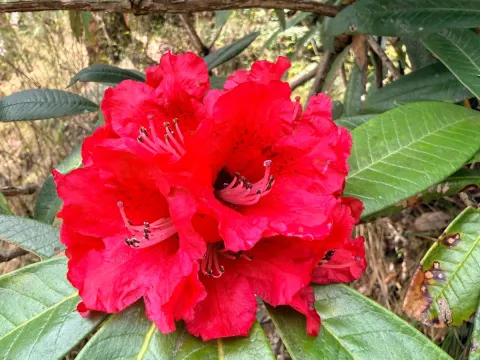
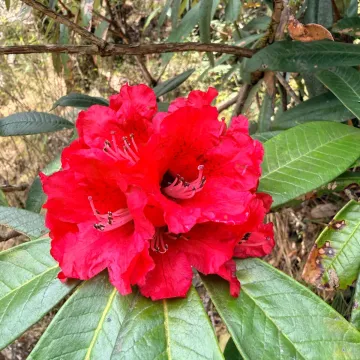
Botanically, Rhododendron arboreum is distinguished by its robust woody structure, leathery leaves with a silvery or ferruginous underside, and magnificent clusters of bell-shaped flowers. The blooms appear in early spring and vary in color from pale pink and white to deep, vibrant shades of crimson, attracting pollinators and creating a spectacular visual display.
Agricultural techniques for this species focus heavily on soil preparation and moisture management. It demands well-draining, highly acidic soil rich in organic matter. Gardeners must ensure consistent moisture levels while avoiding waterlogging, which promotes root rot. Mulching is highly recommended to protect the sensitive surface root system and maintain soil moisture levels throughout the growing season.
Maintenance and plant health strategies include:
- Regular monitoring for common pests like aphids and spider mites.
- Prevention of fungal pathogens through proper air circulation and drainage.
- Specific fertilization programs designed for acid-loving plants.
- Winter protection in temperate climates to avoid leaf scorch from wind and cold.
The primary economic and horticultural use of the tree rhododendron is ornamental. It is a prized specimen for large-scale landscapes, botanical gardens, and conservatories. While its wood is occasionally used for traditional handicrafts in its native range, its value is predominantly derived from its aesthetic and ecological role, contributing significantly to biodiversity in high-altitude forest ecosystems.
Photo gallery