Brachycarpum rhododendron
Rhododendron brachycarpum
Description
Brachycarpum rhododendron (Rhododendron brachycarpum) is a distinctive evergreen shrub belonging to the Ericaceae family. Known for its robustness and cold tolerance, it is a highly regarded species in gardening and landscape design. It typically forms a dense, well-branched shrub, though in optimal conditions, it can grow into a small, sturdy tree.
The plant is native to East Asian mountainous regions, specifically Japan and the Korean Peninsula. Because it originates from high-altitude environments, it is exceptionally well-adapted to cool, temperate climates. This inherent hardiness makes it a favorite among northern gardeners who seek to incorporate the exotic beauty of rhododendrons into their outdoor spaces without the high mortality rates associated with more tender species.
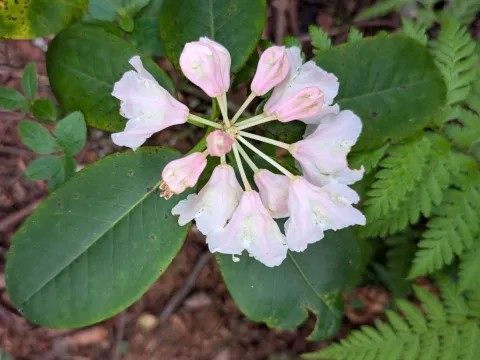
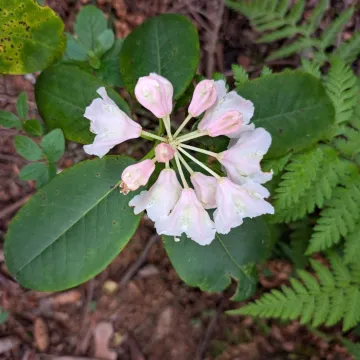
Botanically, it is characterized by leathery, dark-green leaves that often feature a subtle, brownish tomentum (pubescence) on the underside. The inflorescences appear in early summer, producing large trusses of bell-shaped flowers. The colors range from white to pale pink, often accented with greenish-yellow spots or flares in the throat, creating a sophisticated and elegant visual impact.
Agrotechnical success depends heavily on mimicking the plant’s natural environment: acidic, well-draining soil that is rich in organic matter. Brachycarpum rhododendron performs best in locations that offer dappled shade, especially protecting it from harsh afternoon sun. Consistent soil moisture is vital; therefore, applying a layer of organic mulch like pine bark or pine needles is essential to keep the root system cool and retain moisture.
In terms of хозяйственное (economic/practical) use, the species is primarily valued as an ornamental specimen in gardens and parks. It also serves as a crucial genetic resource in hybrid breeding programs for creating cold-hardy rhododendrons. Growers should monitor for common issues like root rot due to poor drainage, and pests such as lace bugs or spider mites. Maintaining plant vigor through proper fertilization (specifically for acid-loving plants) and avoiding overhead watering helps prevent disease outbreaks.
Photo gallery