Rhododendron brevistylum
Rhododendron brevistylum
Description
Rhododendron brevistylum is an evergreen ornamental shrub belonging to the Ericaceae family. Known for its elegant structure and attractive flowers, this species is highly valued by botanists and garden enthusiasts for its unique aesthetic contribution to alpine and cool-climate landscape designs.
The plant originates from the high-altitude regions of Southeastern Tibet and China. Its natural habitat is characterized by mountainous terrains with high humidity and cool temperatures. Due to these evolutionary origins, the plant has specific requirements regarding its environment, preferring locations that mimic its native high-elevation forest conditions.
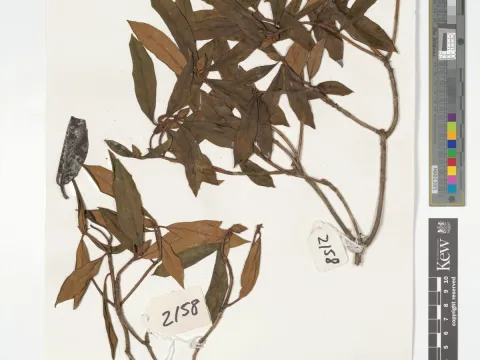
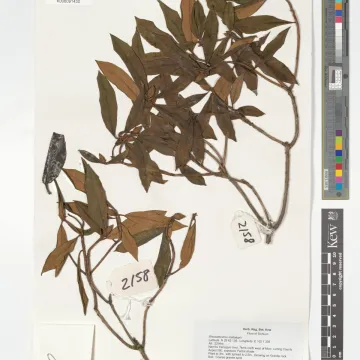
Botanically, the species is distinguished by its leathery, elliptical leaves often featuring glandular scales on the underside. Its blossoms, typically appearing in clusters, showcase delicate shades of pink or purple. The overall growth habit is compact, making it an excellent choice for smaller garden areas or specialized collection plots.
Cultivating Rhododendron brevistylum requires careful attention to soil chemistry, as it strictly demands an acidic environment with a pH between 4.5 and 5.5. The planting site must be well-drained, as the root system is highly sensitive to waterlogging. Incorporating organic matter, such as peat moss or pine needles, into the soil helps maintain acidity and improves moisture retention without causing stagnation.
Maintenance involves regular monitoring for pests such as lace bugs, aphids, or spider mites, which can damage foliage. Additionally, fungal diseases like powdery mildew or root rot are common threats under conditions of poor drainage or insufficient airflow. Proper horticultural practices, including annual mulching and preventive treatment with fungicides, are essential to ensure the longevity and health of the plant.
Photo gallery