Bell-flowered rhododendron
Rhododendron campanulatum
Description
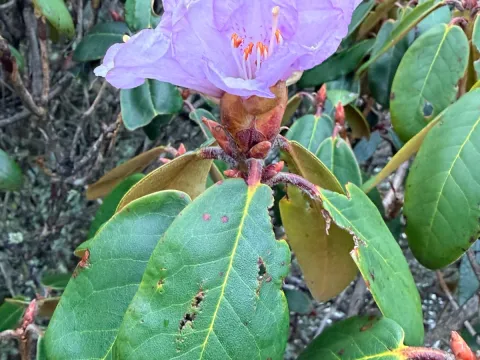
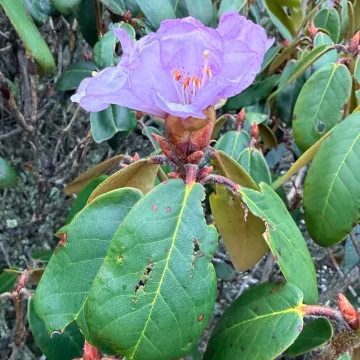
The bell-flowered rhododendron (Rhododendron campanulatum) is an evergreen shrub or small tree belonging to the Ericaceae family. Known for its elegant bell-shaped blossoms and leathery foliage, this species is a prized specimen in temperate gardens where the necessary environmental conditions can be maintained.
Originating from the high-altitude regions of the Himalayas, including Nepal, India, and Bhutan, this species is well-adapted to cool, humid alpine climates. Its natural habitat implies a preference for mountainous conditions where atmospheric moisture is high and temperatures remain relatively cool throughout the growing season.
Botanically, the shrub is recognized by its elliptic leaves, which feature a distinct, often brownish indumentum on the underside. The flowers typically appear in spring or early summer, blooming in trusses that display a spectrum of colors ranging from white and lavender to deep rose. The plant exhibits a moderate growth habit, forming a dense and rounded canopy.
The successful cultivation of this species requires strict adherence to specific agricultural practices:
- Planting in partially shaded areas protected from strong, drying winds.
- Utilizing well-draining, highly acidic soils enriched with organic matter.
- Applying a layer of pine bark or peat mulch to retain soil acidity and moisture.
- Providing regular irrigation with lime-free water.
Economically and horticulturally, this rhododendron serves as a significant genetic asset for breeding cold-hardy varieties. It is extensively used in landscape design for woodland gardens and mass plantings. Because it is highly sensitive to soil compaction and waterlogging, it is often cultivated in raised beds or specialized containers to ensure the health of its delicate, shallow root system.
Common health issues include root rot caused by stagnant water, and susceptibility to pests such as rhododendron bugs or spider mites. Maintaining plant vigor involves proactive management of soil pH and proper spacing to ensure adequate air circulation. Regular monitoring for fungal infections is essential to prevent damage and ensure the plant thrives in its designated location.
Photo gallery