Carolina rhododendron
Rhododendron carolinianum
Description
Carolina rhododendron (Rhododendron carolinianum) is an evergreen ornamental shrub belonging to the Ericaceae family. Known for its compact habit and impressive floral displays, it is a highly regarded species in temperate climate landscaping and ornamental horticulture.
The plant originates from the Appalachian region of the United States. Its natural habitat is typically found in mountainous areas, often occurring on rocky, well-draining slopes and within coniferous forest ecosystems, which dictates its specific environmental requirements.
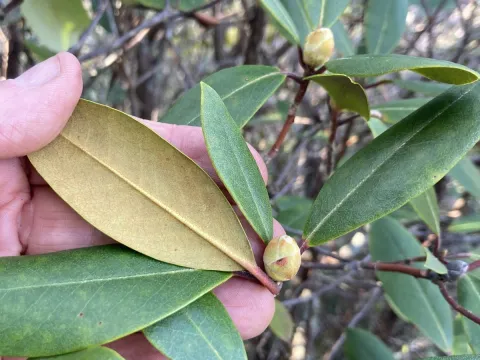
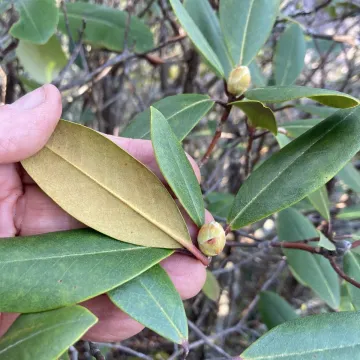
Botanically, this shrub is characterized by its dense growth, reaching a height of approximately one to one and a half meters. The leaves are leathery and dark green, providing excellent structure. During the spring bloom, the shrub produces clusters of bell-shaped flowers that range in color from white to soft pink, adding high visual value.
Successful cultivation requires acidic, organic-rich, and well-draining soil. This plant is sensitive to alkalinity and requires adequate moisture, yet it suffers quickly in waterlogged conditions. Providing a sheltered location with dappled sunlight is ideal for maintaining the plant's health and longevity.
- Use of acidic mulch, such as pine bark or needles.
- Regular irrigation with soft, non-alkaline water.
- Application of specialized fertilizers for acid-loving plants.
- Avoidance of deep cultivation around the root zone.
Common problems include root rot pathogens, which are often triggered by improper soil drainage. Pests such as lace bugs and spider mites are frequently encountered. Integrated pest management, including regular inspection and the use of appropriate horticultural oils or systemic insecticides, is recommended for effective control.
Photo gallery