Rhododendron dalhousiae
Rhododendron dalhousiae
Description
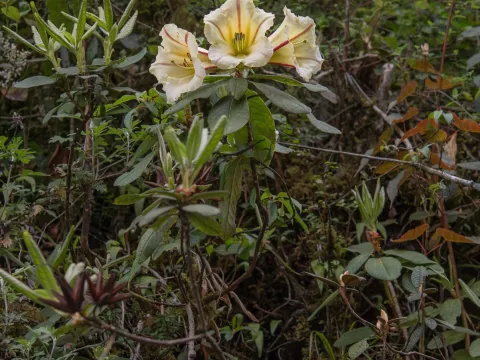
Rhododendron dalhousiae is a remarkable species within the Ericaceae family, known for its elegant, fragrant blooms and unique growth habits. Often found growing as an epiphyte in the wild, this shrub naturally clings to moss-covered tree branches in high-altitude environments. Its botanical classification places it among the most sought-after varieties for serious horticulture enthusiasts.
The native distribution of this species is centered in the Himalayan region, stretching from Nepal through Bhutan and parts of India. It thrives in cloud forests at elevations that provide cool, humid conditions throughout the year. This specific climate requirement defines how the plant must be handled in domestic cultivation to ensure its survival and healthy development.
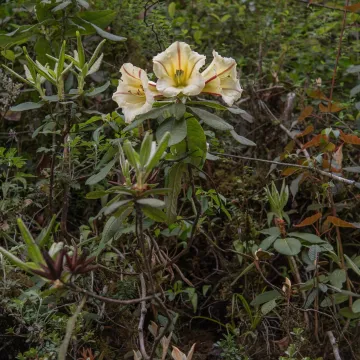
Botanically, it is a medium-sized shrub reaching significant heights in maturity. It is characterized by its long, leathery leaves and large, trumpet-shaped flowers that appear in clusters. The blossoms are particularly noted for their sweet, citrus-like fragrance, which is a rare and desirable trait in many cultivated rhododendron species, making it a standout feature in any collection.
Cultivation of Rhododendron dalhousiae requires a specialized approach, focusing on a highly porous and acidic substrate that mimics the organic detritus of its natural habitat. Adequate drainage is absolutely essential to prevent root asphyxiation. The plant prefers bright, filtered light and high atmospheric humidity; it is highly susceptible to heat stress and must be kept in temperature-controlled environments in most regions.
Maintaining the plant's health involves vigilance against common horticultural threats that affect ericaceous crops. To keep the plant thriving, growers should monitor for the following issues:
- Spider mite infestations, which are common in low-humidity environments.
- Phytophthora root rot, often caused by waterlogged conditions.
- Iron deficiency (chlorosis) resulting from improper soil pH levels.
Photo gallery