Rhododendron flavidum
Rhododendron flavidum
Description
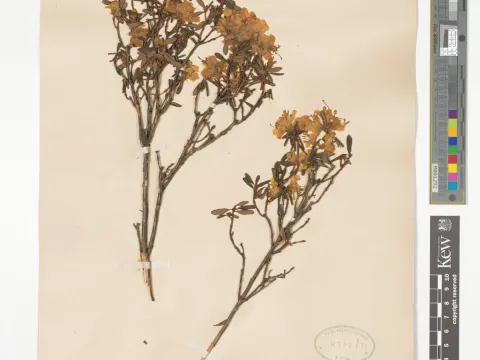
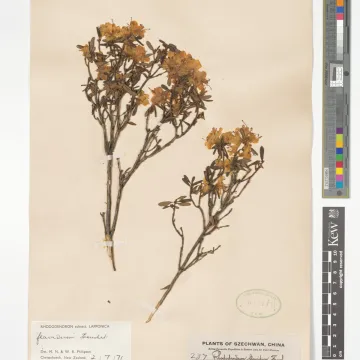
Rhododendron flavidum is an evergreen ornamental shrub belonging to the Ericaceae family. This species is highly valued in horticulture for its compact growth habit and its charming, pale yellow blossoms that appear during the spring season, adding elegance to any landscape design.
The plant originates from the high-altitude mountain regions of China. Adapted to harsh, rocky environments, this rhododendron has evolved to tolerate cooler climates. In cultivation, it requires specific conditions that mimic its natural alpine habitat to thrive and reach its full aesthetic potential.
Botanically, Rhododendron flavidum is defined by its small, dense foliage with leathery, scale-covered leaves. The flowers are typically arranged in small clusters, displaying delicate cream to pale yellow hues. Its slow-growing nature makes it an ideal candidate for small gardens and container culture.
Successful cultivation relies heavily on specific soil and site requirements. The soil must be highly acidic, well-draining, and rich in organic matter to support the plant's delicate root system. It thrives in partial shade, as direct, harsh sunlight can damage the leaves and cause the plant to struggle during the summer months.
- Strict maintenance of acidic soil pH levels.
- Consistent moisture provided by mulching.
- Use of soft water for irrigation to avoid mineral buildup.
- Regular pruning to maintain shape and encourage blooming.
The primary use of this species is decorative, often featured in rock gardens, heath beds, or as a focal point in borders. Common health issues include fungal leaf spots and infestations of spider mites. Providing adequate air circulation and using appropriate fungicides or acaricides are essential for maintaining plant vigor.
Photo gallery