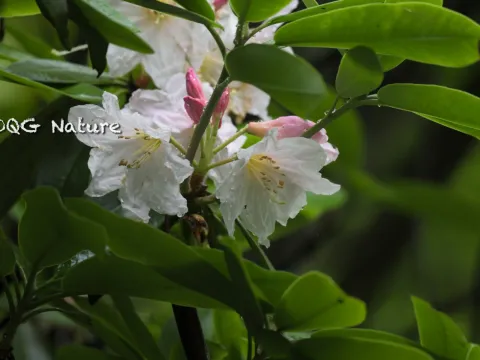

Fortune's rhododendron
Rhododendron fortunei
Description
Fortune's rhododendron (Rhododendron fortunei) is a prominent evergreen shrub belonging to the Ericaceae family. It is highly regarded by landscape professionals for its robust growth habit and large, fragrant flowers that typically emerge in late spring. As a botanical specimen, it often develops into a graceful, multi-stemmed shrub or a small tree, potentially reaching heights of several meters in favorable conditions.
The species is native to the woodland regions of eastern China, specifically in the provinces of Zhejiang and Fujian. In its natural habitat, it thrives in protected, moist environments. Its introduction to Western horticulture has provided a critical genetic resource for breeding programs, contributing to the development of many modern, cold-hardy rhododendron hybrids popular in temperate zones today.
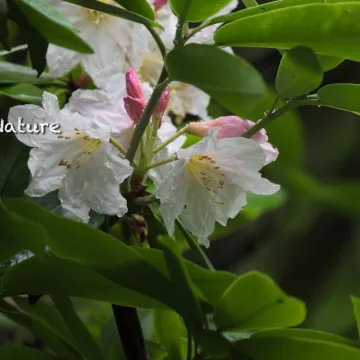
Botanical features include broad, elliptic leaves with a leathery texture and a deep green hue. The most distinguishing characteristic is the flowering display: large, loose trusses of funnel-shaped, fragrant blossoms ranging from pale pink to white. Unlike some species, Rhododendron fortunei is valued for its ability to produce consistent, high-quality blooms even in various garden conditions.
Agricultural requirements focus on maintaining acidic soil conditions (pH 4.5–5.5) rich in organic matter. Proper drainage is essential to prevent root rot, while consistent moisture is required for optimal health. Planting sites should provide dappled shade to avoid leaf scorch from intense sunlight. Supplemental mulch is critical to regulate soil temperature and conserve moisture throughout the growing season.
- Light: Partial shade with protection from afternoon sun.
- Moisture: Consistent water supply; avoid waterlogged soil.
- Substrate: Highly acidic, well-draining, peat-rich soil.
- Protection: Mulching with pine needles or bark.
In ornamental horticulture, this species serves as a focal point in woodland gardens and shaded shrub borders. While generally hardy, it can be susceptible to pests such as lace bugs and mites, as well as fungal issues if air circulation is poor or soil moisture is excessive. Maintaining plant health involves monitoring for early signs of stress and providing balanced nutrition specifically formulated for acid-loving ornamental plants.
Photo gallery