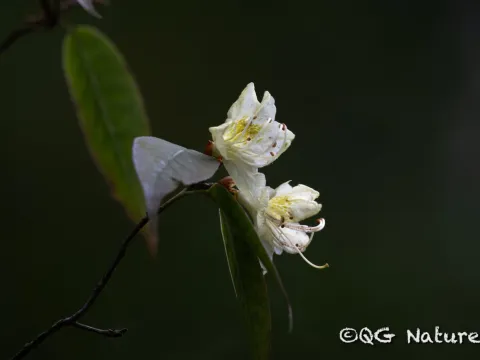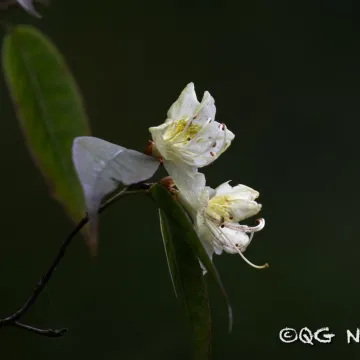
Yellow-flowered rhododendron
Rhododendron lutescens
Description
Yellow-flowered rhododendron (Rhododendron lutescens) is an elegant evergreen shrub belonging to the Ericaceae family. Known for its early blooming cycle, it serves as a sophisticated addition to landscape designs, offering a vibrant display of pale yellow flowers that brighten the garden during the transition from winter to spring.
The species originates from the mountainous regions of Sichuan and Guizhou in China. Naturally adapted to high-altitude, misty forest environments, it thrives in cool climates with ample rainfall. Its natural habitat dictates its specific requirements for cultivation, favoring regions with moderate temperatures and high atmospheric humidity.
Botanically, this shrub is characterized by its slender habit, often reaching a height of 1 to 3 meters. The leaves are lanceolate, coriaceous, and deep green. The hallmark of this species is its early spring inflorescence, consisting of delicate, pale-yellow flowers that occasionally feature small greenish spots, providing a unique aesthetic appeal to early-season gardens.
Successful cultivation requires acidic, humus-rich, and well-draining soil. It is critical to select a planting site in partial shade to protect the foliage from scorching during the summer months. Consistent soil moisture is essential; however, the root system must not be waterlogged, as it is highly susceptible to fungal pathogens and decay.
- Mulching the root area with pine bark or needles to maintain acidity.
- Application of slow-release fertilizers specifically designed for ericaceous plants.
- Minimal pruning required, mostly limited to removing dead or damaged branches.
In landscaping, this species is frequently used in rock gardens, woodland borders, and as a focal point in shade-loving plant collections. Gardeners should monitor for common issues such as leaf spot and Phytophthora root rot. Pests like the rhododendron bug or spider mites can be managed through regular inspection and appropriate horticultural treatments when necessary.
Photo gallery