Oblong-leaved azalea
Rhododendron oblongifolium
Description
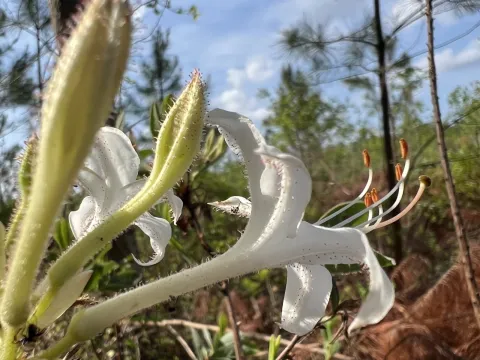
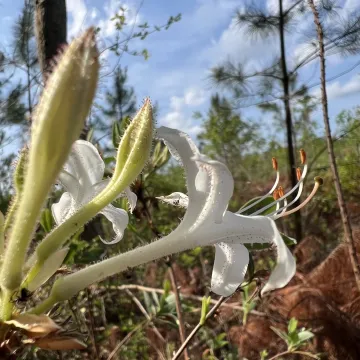
Rhododendron oblongifolium, commonly known as the oblong-leaved azalea, is a species of deciduous shrub belonging to the Ericaceae family. It is a highly regarded ornamental plant, prized by botanists and garden enthusiasts for its distinct foliage and elegant flowering characteristics.
The native habitat of this plant is located in the southeastern United States, particularly within regions like Arkansas. It is typically found in moist, wooded environments such as stream banks and low-lying, acidic soils, which dictates its preference for specific microclimatic conditions when introduced into garden settings.
Botanically, it grows as an upright shrub typically reaching heights of up to 3 meters. The leaves, as the Latin name implies, have a notable elongated or oblong shape. During the blooming season, the shrub produces clusters of fragrant, white to cream-colored flowers that add significant aesthetic value to its environment.
Successful cultivation of Rhododendron oblongifolium relies on maintaining specific soil conditions. It requires acidic, well-draining soil rich in organic matter. Gardeners must focus on consistent moisture management, protecting the plant from harsh, direct sunlight, and applying a thick layer of mulch to maintain cool root temperatures, which is essential for the healthy development of this species.
Its primary use is in landscaping, specifically within woodland gardens or as a specimen shrub. While visually striking, the plant is susceptible to certain pests and diseases, including Phytophthora root rot and infestations by mites or rhododendron lace bugs. Regular observation and preventative horticultural practices are necessary to ensure the longevity and health of the shrub.
Photo gallery