
Rhododendron pseudochrysanthum
Rhododendron pseudochrysanthum
Description
Rhododendron pseudochrysanthum is a slow-growing evergreen shrub belonging to the Ericaceae family. Known for its aesthetic appeal and structural beauty, this species is highly regarded by botanists and horticulture enthusiasts for its resilience and unique foliage characteristics, which make it a prized specimen for temperate gardens.
The plant originates from the high-altitude mountain regions of Taiwan. Its natural habitat is characterized by cool temperatures, high humidity, and significant exposure to wind, which explains its evolution into a robust, low-growing shrub. This geographical background is critical for understanding the environmental needs of the species in a domestic or nursery setting.
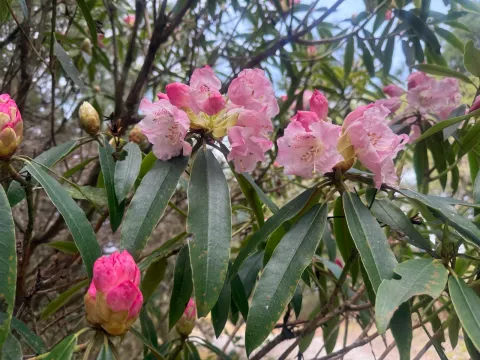
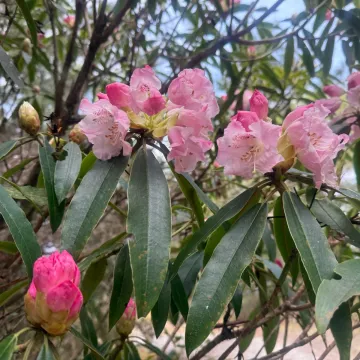
Botanically, this rhododendron is distinguished by its leathery, lanceolate leaves, which feature a dense, silvery-white tomentum (fuzz) on the underside. The flowers typically appear in late spring, emerging as deep pink buds that open into pale pink or white blossoms with intricate spotting on the petals, creating a delicate, daisy-like appearance.
To ensure healthy development, Rhododendron pseudochrysanthum requires a well-draining, acidic soil mixture, typically composed of peat, pine bark, and perlite. The root system is shallow and sensitive to waterlogged conditions, making proper irrigation management essential. Providing partial shade and protection from dry winds will maximize the longevity and bloom performance of the shrub.
While primarily used in landscape architecture for rock gardens and woodland borders, this plant is susceptible to common rhododendron pests, including lace bugs and aphids. Preventive maintenance should include regular soil testing for pH levels and bi-annual applications of specialized acidic fertilizers. Disease prevention, particularly against root rot, is best achieved by avoiding excessive soil moisture and ensuring excellent site drainage.
Photo gallery