Rhododendron pulchrum
Rhododendron pulchrum
Description
Rhododendron pulchrum is a semi-evergreen to evergreen ornamental shrub belonging to the Ericaceae family. Known for its aesthetic value in landscape architecture, this plant species is highly appreciated for its massive spring flowering period, which transforms the shrub into a striking centerpiece in any garden setting. The plant typically grows as a dense, rounded shrub that can reach significant heights depending on the environmental conditions.
The native distribution area of Rhododendron pulchrum includes regions in East Asia, primarily China and Japan. Historically, it has been cultivated for centuries in oriental gardens where the humid, mild, and temperate climate supports its growth. It thrives best in regions where high atmospheric humidity and seasonal rainfall ensure the plant does not suffer from drought stress during its active growth period.
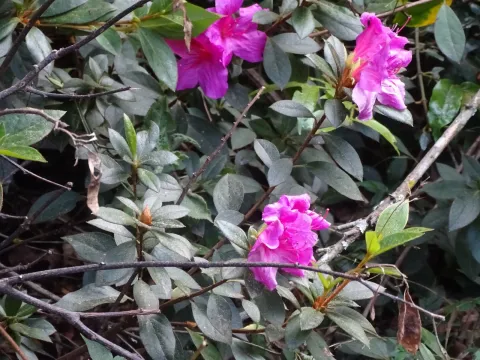
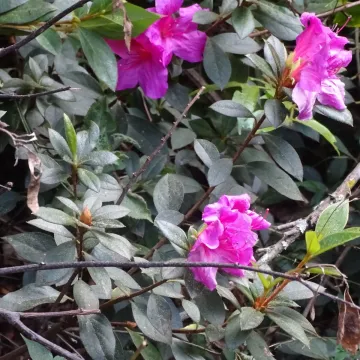
Botanically, the species is characterized by its elliptical, leathery, dark green foliage and prominent, funnel-shaped flowers. The blooms come in various shades of pink, purple, and white, often featuring spots or blotches on the inner petals. The root system is notoriously shallow and fibrous, meaning that it is sensitive to soil compaction and aggressive mechanical cultivation near the root base.
Success in cultivating this rhododendron depends heavily on soil conditions. It requires acidic, nutrient-rich, and well-draining soil to prevent root rot, which is a common fatal issue for the species. Planting in a location with filtered shade or morning sun is ideal, as direct, harsh afternoon sunlight can scorch the leaves and significantly reduce the lifespan of the flowers during the bloom season.
Agricultural and horticultural care includes regular moisture management and annual mulching with acidic organic materials, such as pine bark or peat moss, to preserve soil moisture and acidity levels. Common pests include aphids and mites, while fungal pathogens like powdery mildew can appear if airflow is restricted. Proper care ensures the plant remains vigorous and provides consistent seasonal interest in the landscape.
- Ensure soil pH remains between 4.5 and 5.5.
- Provide consistent watering during dry spells.
- Apply specialized ericaceous fertilizer in spring.
- Perform light pruning only immediately after flowering.
Photo gallery