Rhododendron reticulatum
Rhododendron reticulatum
Description
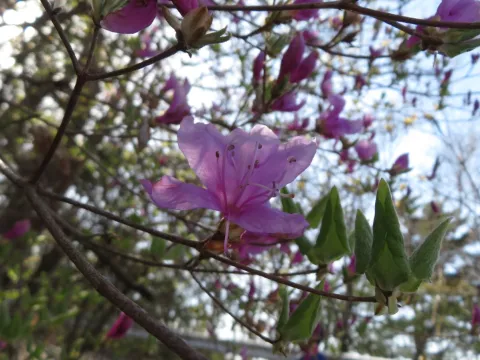
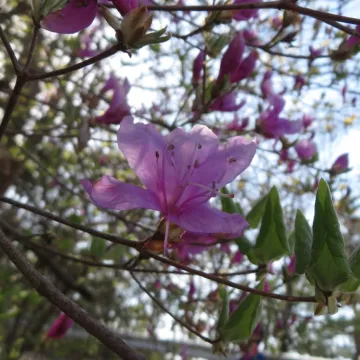
Rhododendron reticulatum is a deciduous shrub species belonging to the Ericaceae family, widely admired for its striking, early spring display of magenta-purple flowers. Unlike many evergreen varieties, this plant loses its leaves annually, but rewards gardeners with a dramatic floral show that appears before the foliage fully develops.
The native distribution of this species is centered in East Asia, including Japan and the Korean Peninsula. In its wild habitat, it typically grows on rocky slopes and within open forest settings where soil drainage is excellent. These evolutionary adaptations define the strict environmental requirements needed to maintain the plant’s health in residential gardens.
Botanically, it is characterized by its thin, branching habit and leaves that are often clustered at the tips of the shoots. The flowers are distinctively shaped and often feature intricate spotting on the petals. The root system is shallow, fibrous, and highly susceptible to damage from soil compaction, making careful site preparation essential before planting.
Key cultural requirements for optimal growth include:
- Soils must be acidic (pH 4.5–5.5) and rich in organic matter.
- Efficient drainage is critical to prevent root rot in wetter seasons.
- Partial shade is preferred, protecting the foliage from intense midday sun.
- Regular mulching with pine needles or bark helps maintain the necessary soil acidity and moisture levels.
The primary use of Rhododendron reticulatum is in ornamental horticulture and landscape design. It is frequently selected for inclusion in woodland gardens, Japanese-inspired landscapes, and specialized ericaceous borders. Its ability to tolerate various temperate climates makes it a staple for collectors and enthusiasts looking to add vertical interest and seasonal color to their landscape.
Plant health management involves monitoring for fungal pathogens such as Phytophthora or leaf spot, which are common if the plant is overwatered or lacks ventilation. Pests like the rhododendron bug or spider mites can also impact foliage vitality. Maintaining plant vigor through proper site selection and balanced fertilization with acid-loving plant food is the best strategy for long-term health.
Photo gallery