Tashiro's Rhododendron
Rhododendron tashiroi
Description
Tashiro's Rhododendron is a remarkable shrub belonging to the Ericaceae family. Known for its distinct appearance and beautiful floral displays, this species is highly regarded among botanical enthusiasts and specialized gardeners. It stands out in the vast Rhododendron genus due to its specific geographic origin and unique morphological traits that define its growth habit in both wild and cultivated settings.
The native distribution of this species is centered in the subtropical regions of East Asia, specifically within the Japanese archipelago. It naturally thrives in mountainous forest environments, often preferring areas where humidity remains high and the soil is naturally acidic. These habitats provide the optimal conditions that the plant requires to sustain its delicate root system and ensure proper development throughout the year.
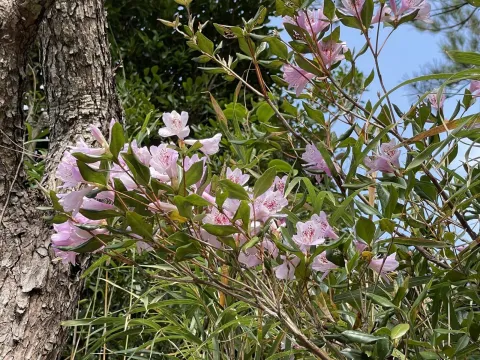
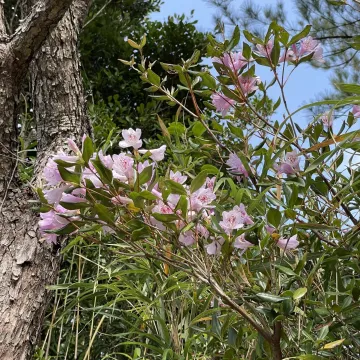
Botanically, Rhododendron tashiroi is characterized by its evergreen or semi-deciduous foliage, consisting of leathery leaves often arranged in clusters. The flowers, which appear during the spring season, typically exhibit vibrant shades ranging from light pink to deep rose-purple, frequently decorated with subtle spotting. The structure of the shrub is relatively dense, making it an excellent candidate for intimate landscape settings.
Cultivation of this species requires strict adherence to specific agrotechnical standards. The soil must be highly acidic, well-draining, and rich in organic matter, such as leaf mold or peat. Because the roots are shallow and fragile, cultivation or deep digging around the base of the plant should be strictly avoided. Instead, thick mulching is recommended to stabilize soil temperature and moisture levels, which are critical for the plant's health.
From a horticultural standpoint, Tashiro's Rhododendron is primarily used for ornamental purposes in rock gardens, woodland landscapes, or as a focal point in specialized collections. Like many other members of the Ericaceae family, it is susceptible to various fungal diseases, such as leaf spot and root rot, often caused by poor drainage. Regular monitoring for pests like aphids or spider mites is essential to prevent significant damage to the foliage and blooms.
Photo gallery