Rhododendron tschonoskii
Rhododendron tschonoskii
Description
Rhododendron tschonoskii is a species of deciduous shrub belonging to the Ericaceae family. Known for its prostrate and low-growing habit, this plant is a popular choice for rock gardens and ground cover designs where a compact, resilient shrub is required to add texture and seasonal color.
The species is native to East Asia, primarily originating from mountainous habitats in Japan and Korea. It thrives in cool, well-draining environments and is highly valued for its ability to adapt to rocky slopes and high-altitude forest edges. Its natural hardiness makes it a fascinating specimen for enthusiasts of unique horticultural varieties.
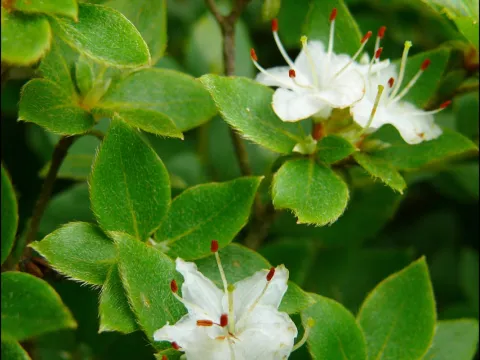
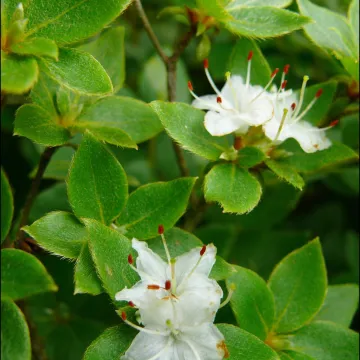
Botanically, it is distinguished by its tiny, dark green leaves that develop impressive shades of red and bronze during the autumn season. The flowers are generally small, white or pale pink, appearing in late spring to early summer. These blooms emerge in clusters, often covering the entire spread of the shrub and creating a dense, attractive display.
Agricultural requirements focus on providing highly acidic, peaty, and well-aerated soil. Proper drainage is essential to prevent root rot, which is the primary cause of failure in cultivation. The plant performs best in dappled shade, which protects the foliage from harsh direct sun while ensuring sufficient light for healthy growth and flower production.
In landscape use, Rhododendron tschonoskii is primarily utilized in alpine garden layouts, container gardening, or as part of a heath garden collection. While generally robust, gardeners should be aware of common pests like spider mites and scale insects. Maintaining proper soil moisture levels and ensuring good air circulation are the best defensive measures against common fungal pathogens.
- Soil Type: Acidic (pH 4.5–5.5), organic-rich.
- Exposure: Partial shade, protected from strong winds.
- Watering: Consistent moisture, avoiding waterlogged conditions.
- Fertilizing: Acid-loving plant fertilizer in early spring.
- Maintenance: Minimal pruning needed, primarily to remove dead wood.
Photo gallery