Prairie sumac
Rhus lanceolata
Description
Prairie sumac (Rhus lanceolata) is a deciduous shrub or small tree belonging to the Anacardiaceae family. Often referred to as the flame-leaf sumac, it is scientifically recognized for its distinctive lance-shaped leaflets and its ability to thrive in harsh, semi-arid environments where many other species would struggle.
The native range of this species is primarily focused on the southwestern United States and northern Mexico. It is frequently found in rocky, calcareous soils of limestone hills and prairies. Due to its natural habitat, the plant is highly specialized in surviving in environments characterized by periodic drought and nutrient-poor substrates.
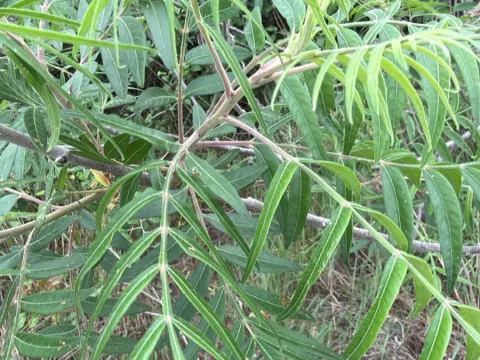
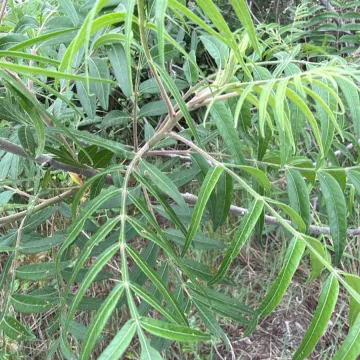
Botanically, Rhus lanceolata is characterized by its pinnately compound leaves which display a striking crimson or orange coloration during the autumn months. The plant produces dense, upright clusters of white to greenish flowers, followed by small red drupes. Its root system is vigorous, allowing the plant to form dense thickets through root suckering.
Agricultural requirements center on full sunlight and excellent soil drainage. It is a drought-tolerant species that requires minimal intervention once established. Growers should avoid waterlogged conditions, as the root system is susceptible to crown rot in heavy, poorly drained clay soils. Pruning is typically done to manage the spread of suckers in residential or garden settings.
In terms of economic and practical use, prairie sumac serves as a vital component in erosion control and soil stabilization projects in arid regions. It is also an important plant for wildlife, providing cover and forage for various bird species. Historically, its high tannin content made it a valuable resource for local tanning industries.
While generally hardy, the species can be affected by specific pests such as scale insects or defoliating beetles during peak growing seasons. Fungal leaf spots may occur in environments with high humidity or poor air circulation. However, in its optimal climate, the prairie sumac remains a low-maintenance, resilient, and aesthetically valuable plant species.
Photo gallery