Rhus sylvestris
Rhus sylvestris
Description
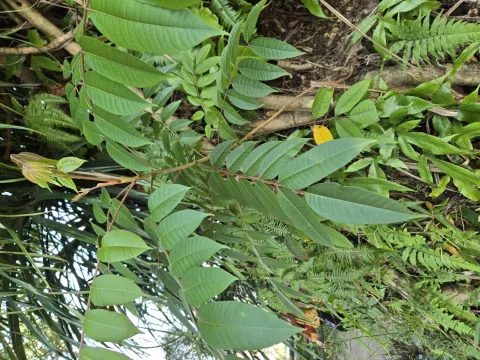
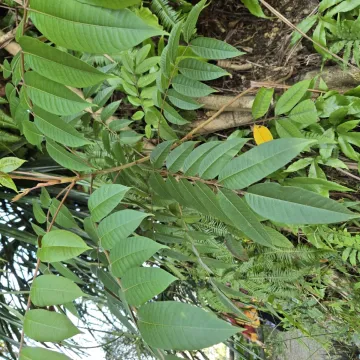
Rhus sylvestris, commonly known as the forest sumac, is a perennial woody species belonging to the Anacardiaceae family. This plant typically grows as a deciduous shrub or a small tree, characterized by its elegant pinnate foliage and distinctive inflorescences. While often overshadowed by its more famous relatives, Rhus sylvestris serves as an essential species for ecological preservation and ornamental horticulture in its native regions.
The origin of Rhus sylvestris is linked to the temperate and subtropical regions of East Asia, including Japan, Korea, and parts of China. It is commonly found in forest margins, mountain slopes, and valleys. The species has adapted to environments with moderate rainfall and significant seasonal temperature fluctuations, making it a resilient choice for various landscape settings within its natural range.
Botanically, the plant is recognized for its compound leaves, which exhibit vibrant autumnal coloration, making it a sought-after choice for gardeners. The flowers, while small, form dense panicles that contribute to the plant's aesthetic value. Following pollination, the plant produces small drupes. The root system is robust, providing the tree with the ability to secure soil in steep terrain, effectively preventing land degradation.
The agronomic requirements for Rhus sylvestris focus on soil aeration and drainage. It performs best in fertile, loamy soils with a slightly acidic to neutral pH. Proper spacing is crucial to ensure adequate airflow and light penetration, which helps prevent fungal issues. Minimal maintenance is required, generally consisting of seasonal pruning to remove dead or diseased wood and occasional fertilization to support vigorous spring growth.
Economically, Rhus sylvestris is valued for its bark and leaves, which are rich in tannins traditionally used in leather tanning processes. Furthermore, it plays a critical role in environmental engineering by stabilizing slopes and improving soil structure. In the realm of landscape architecture, it is frequently used to create naturalistic, low-maintenance plantings that provide seasonal visual interest throughout the year.
- Excellent adaptability to various soil types.
- High aesthetic appeal during autumn months.
- Source of tannins for traditional industries.
- Effective at controlling soil erosion on hillsides.
- Relatively low pest and disease pressure.
Photo gallery