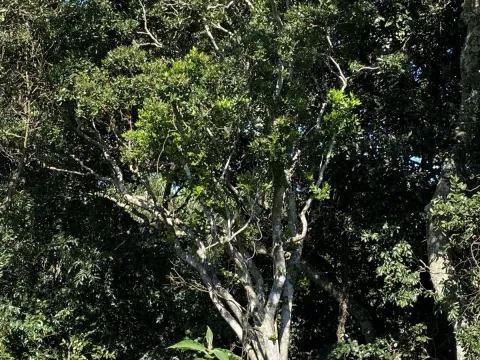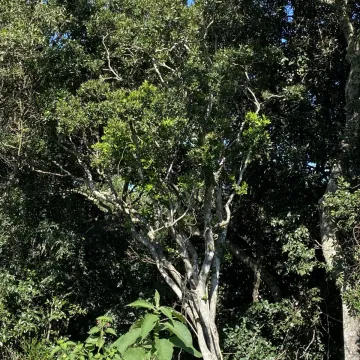
Rhynchocalyx
Rhynchocalyx lawsonioides
Description
Rhynchocalyx lawsonioides is a unique botanical species belonging to the Penaeaceae family. This rare shrub, often noted for its specific evolutionary lineage, serves as a significant subject for botanical study and specialized horticulture. Its classification has been a subject of interest, highlighting the plant's distinct morphological features that differentiate it from other related species within the order Myrtales.
The origin of this species is traced back to the KwaZulu-Natal region in South Africa. It thrives in specific forest habitats, which serve as its primary native range. Given its limited geographical distribution, the species is considered a rare find, necessitating specific environmental conditions to maintain its health and physiological functions outside of its natural habitat.
Botanical traits of the species include evergreen, leathery leaves arranged in an opposite pattern along the stems. The flowers are relatively small but possess a distinctive calyx structure that defines the genus. The plant typically exhibits a slow to moderate growth rate, maintaining a compact shrubby habit that is suitable for cultivation in controlled environments such as botanical conservatories.
Agronomic requirements are centered on providing well-drained, nutrient-rich, and slightly acidic soil media. As an exotic species, it demands precise irrigation management to prevent root rot, which is the most common issue encountered in cultivation. The climate should mimic stable subtropical conditions with protection from extreme cold or intense, direct scorching sunlight during the peak of the day.
The primary use of Rhynchocalyx lawsonioides is within scientific research and rare plant collections. It is not currently utilized as a mass-produced agricultural crop, but it holds potential for niche horticultural development.
- Excellent drainage in pots
- Stable temperature control
- Integrated pest management for mites
- Regular substrate monitoring
Photo gallery