Rhynchocorys elephas
Rhynchocorys elephas
Description
Rhynchocorys elephas is a distinctive herbaceous plant belonging to the Orobanchaceae family. Often overlooked in commercial agriculture, this species is highly valued in botanical circles for its unique structural morphology and specific growth requirements, which provide insight into the adaptation of mountain-flora species.
The origin of Rhynchocorys elephas is traced back to the mountainous regions of the Caucasus and adjacent territories. This plant thrives in temperate climates where environmental conditions remain relatively stable, featuring moderate rainfall and high humidity levels during the spring and summer months, which are essential for its life cycle.
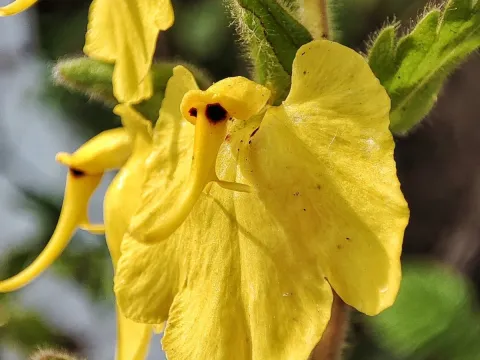
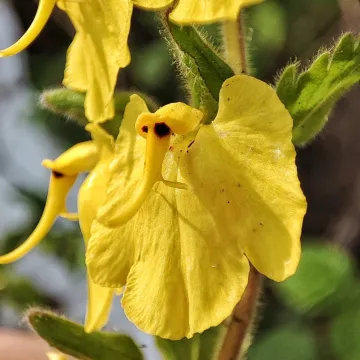
From a botanical perspective, the plant is characterized by its upright stature and unique floral structure, often compared to the shape of an elephant's head, which facilitates specialized pollination mechanisms. Its foliage is adapted to minimize water loss, allowing the plant to sustain itself in fluctuating environmental conditions common to its natural habitat.
Agronomic requirements for this species focus primarily on soil quality and moisture management. The ideal cultivation medium consists of well-draining, humus-rich soil that retains consistent moisture. Growers should implement a balanced fertilizing program using organic supplements to support healthy growth without over-saturating the substrate.
- Requires partial shade for optimal health.
- Consistent irrigation is vital during dry periods.
- Monitoring for fungal infections is recommended.
Regarding its utility, Rhynchocorys elephas serves mainly as a specialty ornamental plant. Its cultivation remains a niche pursuit for enthusiasts and botanical gardens focused on biodiversity conservation. Successful maintenance requires vigilant pest control and careful management of soil aeration to prevent the development of root diseases.
Photo gallery