
Rhynchosia hirta
Rhynchosia hirta
Description
Rhynchosia hirta is a perennial herbaceous plant belonging to the Fabaceae family. As a member of this diverse plant group, it is recognized for its climbing or trailing growth habit, often found in tropical environments where it thrives as a vigorous groundcover or by utilizing surrounding vegetation for structural support.
The native range of this species covers primarily tropical and subtropical regions of Africa and parts of Asia. It is typically found in open habitats, including grasslands, forest edges, and savannahs, where it benefits from high light intensity and well-draining soil conditions, demonstrating resilience to seasonal fluctuations in rainfall.
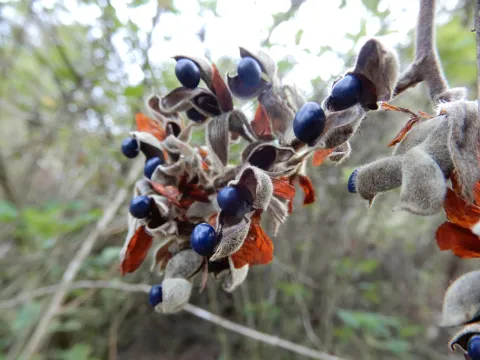
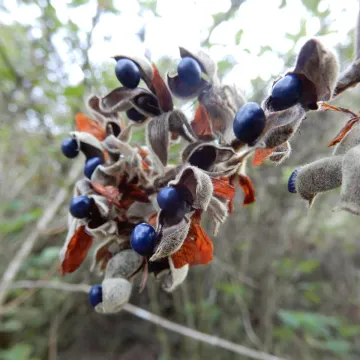
Botanically, the plant is distinguished by its dense, fine pubescence covering the stems and leaves, a trait that gives it the name "hairy rhynchosia." It features trifoliate leaves and typical papilionaceous flowers arranged in racemes. These botanical structures are highly adapted for insect pollination, leading to the development of seed-bearing pods.
Regarding soil and climate, the plant prefers warm temperatures and thrives in a variety of soil types as long as they provide adequate aeration. It is well-known for its capacity to establish a symbiotic relationship with nitrogen-fixing bacteria, which allows it to thrive in nutrient-deficient soils, a key aspect of its agricultural utility as a potential green manure or cover crop.
The primary agricultural applications involve its use as livestock forage and soil improvement. While generally robust, the plant is susceptible to certain fungal pathogens such as powdery mildew in high-humidity environments. Pest management protocols focus on monitoring for aphids and pod-boring insects, which are known to impact seed yields if left unchecked.
Photo gallery