Rhynchosida physocalyx
Rhynchosida physocalyx
Description
Rhynchosida physocalyx is a herbaceous plant belonging to the Malvaceae family. It is recognized for its unique physiological traits that allow it to thrive in diverse environments. Understanding its botanical profile is essential for agronomists aiming to explore new crop varieties that could potentially serve agricultural needs in regions with similar climate profiles as its native habitat.
Originating primarily from the Americas, the species is found in various open ecosystems. Its ability to adapt to different soil conditions—ranging from sandy to loam textures—demonstrates a high level of ecological plasticity. The plant prefers warm environments with consistent seasonal rainfall, which promotes vigorous growth and increases the overall biomass yield throughout the primary vegetation cycle.
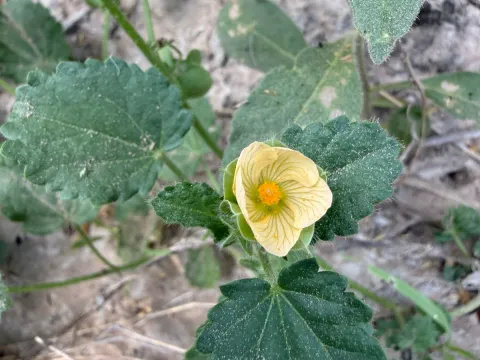
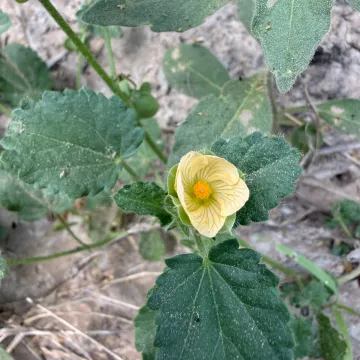
The botanical characteristics of Rhynchosida physocalyx include erect stems and distinctively shaped leaves with fine pubescence. The flower structure is particularly notable, featuring a specialized calyx that provides protection for the reproductive organs. This evolutionary adaptation is a key identifier for the species and serves as a primary marker for taxonomic classification within the genus.
Cultivation requirements involve ensuring well-drained soil and adequate exposure to sunlight. The plant is relatively low-maintenance once established, but it requires careful weed management during the seedling stage. Irrigation should be managed to avoid soil compaction and waterlogging, as the root system benefits significantly from high soil aeration and access to oxygen during the development phases.
The industrial and economic utility of the plant focuses on its potential as a sustainable source of fiber or as an additive in fodder blends. Furthermore, current research explores the chemical composition of its tissues, identifying compounds that may have utility in botanical medicine or natural additives for livestock nutrition. Ongoing studies aim to optimize fertilization and harvesting techniques to maximize economic output.
- Excellent tolerance to elevated ambient temperatures.
- Requires sunny locations to reach maximum height and biomass.
- Resistant to most common pests that affect related Malvaceae crops.
- Can be propagated via seeds with high viability under controlled conditions.
Photo gallery