Ribes binominatum
Ribes binominatum
Description
Ribes binominatum is a distinct shrub species belonging to the Grossulariaceae family. Known in botanical circles for its specific growth habits, this plant serves as a bridge between standard currant varieties and gooseberry-like species, characterized by its unique genetic structure and morphological traits.
The origin of Ribes binominatum is traced back to the northwestern regions of the United States, particularly within the mountainous terrains of Oregon and Northern California. It thrives in temperate forest understories where ambient humidity remains high and soil temperature stays relatively cool throughout the growing season.
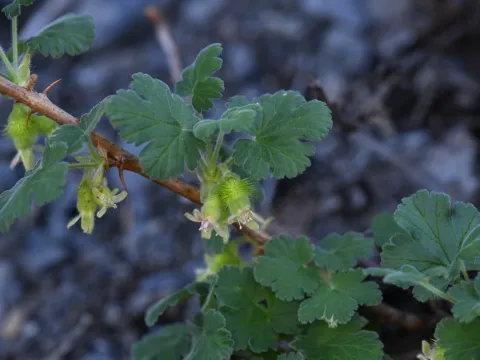
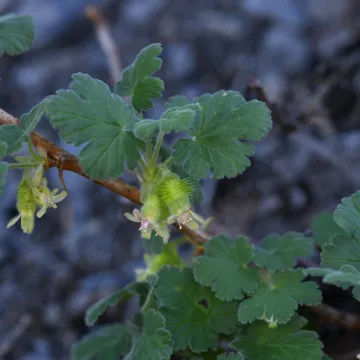
Botanically, this species is defined by its armed (thorny) stems and lobed, pubescent leaves. The plant exhibits a sprawling or semi-erect growth pattern. Its flowers are typically small and inconspicuous, followed by small berries that serve as a food source for local fauna, reflecting its role in ecological balance.
For successful cultivation, Ribes binominatum requires well-drained, acidic to neutral soil enriched with organic matter. Proper agrotechnical management involves maintaining soil moisture while ensuring excellent drainage to prevent root rot. It is highly resistant to cold, making it a viable candidate for breeding programs in regions with harsh winters.
From an agricultural standpoint, the plant is primarily utilized in plant breeding and genetic research. Its natural resistance to certain fungal pathogens, including powdery mildew, makes it a valuable parent plant for hybridizing modern berry cultivars with increased resilience. Management of pests often mirrors standard Ribes care, focusing on preventing aphid infestations and mite outbreaks.
Photo gallery