Carpathian currant
Ribes carpaticum
Description
The Carpathian currant (Ribes carpaticum) is a perennial shrub belonging to the Grossulariaceae family. It is a hardy, woody plant adapted to the distinct ecological niches of the Carpathian mountain range, where it thrives in cool, humid environments.
Originating from the mountainous regions of Central and Eastern Europe, this species is typically found in subalpine zones, riverbanks, and shaded forest slopes. Its evolutionary development in these areas has resulted in a plant that is highly resistant to late spring frosts and atmospheric moisture fluctuations.
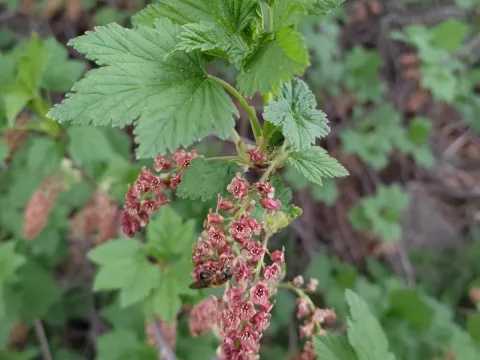
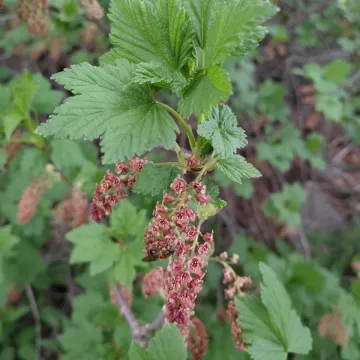
Botanically, the plant displays a compact, branching habit with palmately lobed leaves that possess distinctive glandular trichomes. The inflorescences are pendulous racemes, and the berries are dark, succulent fruits characterized by a balanced sugar-to-acid ratio, often sought after for their concentrated nutritional profile.
Cultivation requirements involve providing well-drained, nutrient-rich soil with a slightly acidic pH. Unlike standard garden currants, this species requires cooler soil temperatures and protection from extreme heat. Success in management relies on consistent soil moisture and the avoidance of waterlogging during the dormant season.
Economically, the Carpathian currant serves as a genetic reservoir for breeding programs aimed at developing cold-hardy and disease-resistant cultivars. In traditional settings, the berries are processed into preserves, syrups, and herbal infusions. Key pests to manage include the currant borer and various mites, which can be mitigated through integrated pest management strategies.
Photo gallery