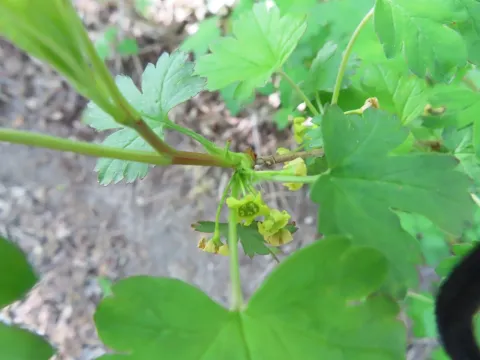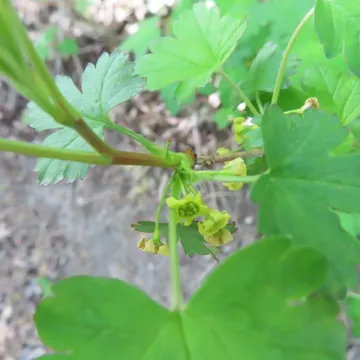
Ribes fasciculatum
Ribes fasciculatum
Description
Ribes fasciculatum, commonly known as the fascicled currant, is a deciduous shrub belonging to the Grossulariaceae family. Native to the diverse landscapes of East Asia, including China, Japan, and Korea, this species is highly valued for its unique growth habit and aesthetic appeal. It serves as both an ornamental plant in landscapes and a functional berry-producing crop in specific horticultural regions.
Botanically, the shrub typically grows to a height of 1.5 meters, featuring distinctively lobed leaves and fascicled inflorescences, which give the plant its scientific name. The fruit is typically a vibrant, persistent red berry that remains on the branches for an extended period, providing significant visual interest in the late stages of the growing season.
Regarding climate and soil, Ribes fasciculatum thrives in temperate regions with moderate moisture. It requires well-drained, nutrient-rich loamy soil to establish a robust root system. While it is relatively winter-hardy, the plant benefits from protection during extreme cold spells. Adequate light exposure is essential for maintaining its health and promoting profuse flowering during the spring season.
The agrotechnical management of this crop involves regular pruning to stimulate fresh growth, moderate irrigation, and consistent soil amendment with organic matter. Propagation is most efficiently achieved through cuttings. Gardeners should ensure adequate spacing between plants to allow for proper air circulation, which is critical in preventing the development of fungal diseases that often affect the currant genus.
The agricultural and economic uses of Ribes fasciculatum include:
- Landscape architecture, particularly for hedging and focal points in gardens.
- Food production, where the berries are utilized for culinary preserves and sauces.
- Genetic research and plant breeding to enhance disease resistance in other Ribes species.
- Ecological restoration, as the berries provide a vital food source for local bird populations.
In terms of plant protection, the species is susceptible to common currant pests such as the currant aphid and gall mite. Fungal threats like powdery mildew require careful monitoring, particularly in humid environments. A comprehensive pest management program, emphasizing both preventative sanitation and targeted pesticide application, is necessary to ensure high yield and maintain the plant’s overall vitality.
Photo gallery