Ribes inerme
Ribes inerme
Description
Ribes inerme, commonly known as the whitestem gooseberry or mountain gooseberry, is a deciduous shrub belonging to the Grossulariaceae family. Despite its common name, it is a true species of currant that has evolved to thrive in diverse mountainous environments, often showcasing a resilient growth habit that is highly valued by botanists and specialized gardeners.
The native habitat of this species is primarily western North America, spanning from British Columbia down through the mountainous regions of California and New Mexico. It is commonly found in riparian zones, along stream banks, and in moist forested canyons. This geographic distribution highlights the plant's adaptation to cool, moist environments and its ability to withstand varying altitudes.
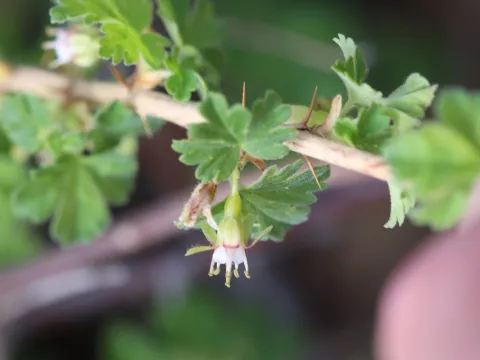
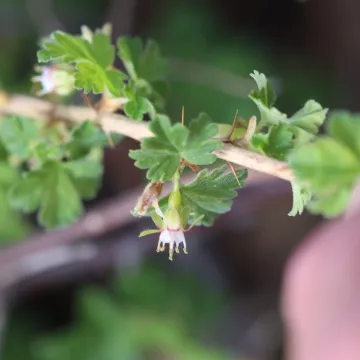
Botanically, Ribes inerme typically grows as a spreading shrub reaching up to 1.5 meters in height. It features thin, palmate leaves and small, bell-shaped flowers that bloom in the spring. The fruit is a smooth, dark purple or black berry that is notably flavorful. While the plant can sometimes have sparse prickles at the nodes, it is generally considered easier to manage than many other wild gooseberry relatives.
Successful cultivation requires well-drained, fertile soil with a slightly acidic to neutral pH. As a mountain-adapted species, it thrives in cooler climates and struggles in high-heat conditions. Agrotechnical management includes regular pruning to remove old wood, which stimulates new growth and increases fruit yield. Mulching is essential to retain moisture in the root zone during the warmer summer months.
In terms of agricultural use, Ribes inerme is mainly utilized in plant breeding programs aimed at developing disease-resistant currant hybrids. Its berries are consumed fresh or processed into preserves, syrups, and desserts. The species remains a favorite for permaculture projects and native plant gardens due to its low maintenance needs and resistance to common pests and diseases like powdery mildew.
- Highly cold-hardy and adapted to mountain climates.
- Prefers partial shade and consistent moisture.
- Excellent candidate for organic berry production.
- Valuable genetic source for breeding pest-resistant varieties.
Photo gallery