Purple currant
Ribes purpurascens
Description
Purple currant (Ribes purpurascens) is a distinctive perennial shrub belonging to the Grossulariaceae family. Unlike common garden currants, this species is noted for its unique adaptation to high-altitude environments, which defines its specific growth habit and physiological requirements for survival in harsh mountain climates.
The native range of this species is located in the Andes mountains, primarily within Peru. It grows naturally in subalpine belts, where the environmental conditions are characterized by cool air temperatures, significant solar radiation during the day, and frequent moisture from mountain mists or rainfall.
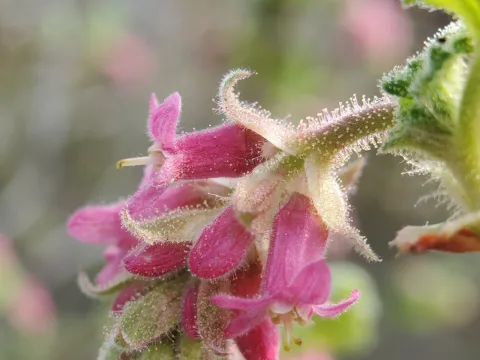
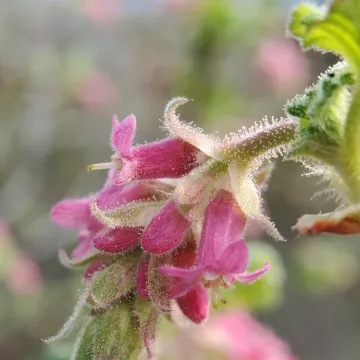
Botanically, Ribes purpurascens is distinguished by its deep purple flowers and compact growth structure. The leaves are typically serrated and arranged to optimize photosynthesis in cooler light conditions. Its berries are relatively small but possess a unique chemical composition typical of its genus, attracting local fauna and contributing to the mountain ecosystem.
Agricultural requirements for Ribes purpurascens involve providing a cool, well-drained site with soil rich in organic matter. The plants perform best in locations that avoid intense afternoon heat. Proper drainage is critical, as the roots are susceptible to rot in waterlogged conditions, making raised beds or slopes highly desirable for successful cultivation.
Management of the shrub involves basic horticultural practices: annual pruning to encourage air circulation, monitoring for pest infestations like aphids, and applying fungal disease prevention strategies. Because this species is not widely domesticated, it remains a valuable subject for conservation and research in botanical garden settings and selective breeding programs for cold-hardy currant varieties.
Photo gallery