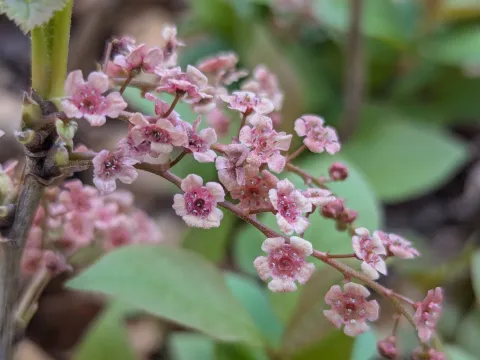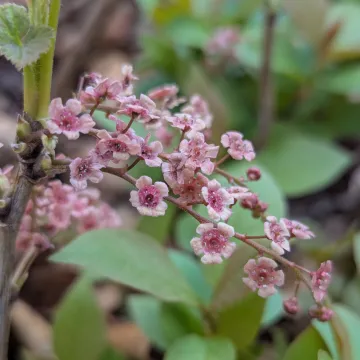
Swamp red currant
Ribes triste
Description
Swamp red currant (Ribes triste) is a deciduous shrub belonging to the Grossulariaceae family. Unlike its close garden relatives, it typically grows as a low-lying or sprawling shrub, often thriving in cool, shaded environments such as forest floors or wet thickets.
The native range of this species extends across the northern regions of North America, as well as parts of Siberia and East Asia. It is highly adapted to temperate and boreal climates, where it can withstand significant winter temperature drops while maintaining its vitality through the short, cool growing season.
Botanically, Ribes triste features small, typically palmately lobed leaves and slender racemes of small, reddish-purple berries. These fruits are generally smaller than those of the common red currant and possess a tart, intense flavor profile, making them a unique resource for culinary use in traditional northern diets.
Agronomic requirements emphasize the need for consistent moisture and cool soil conditions. This shrub performs best in well-drained but organic-rich, slightly acidic soils. Growers should aim to mimic its natural habitat by applying mulch to prevent the soil from overheating during the summer months, which is critical for root health.
- Thrives in partial shade environments.
- Requires consistent watering during fruit development.
- Pruning should focus on removing dead or crossing branches.
- Excellent cold tolerance makes it suitable for northern gardens.
Pest management for this species primarily involves monitoring for common currant pests such as aphids and spider mites. In terms of diseases, the plant is susceptible to various leaf spot fungi and powdery mildew if air circulation is poor or if the site remains excessively damp for long durations throughout the season.
Photo gallery