Tulare currant
Ribes tularense
Description
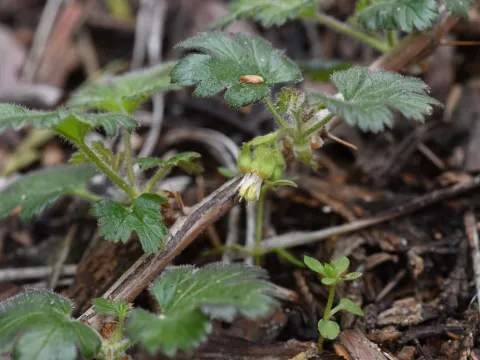
The Tulare currant (Ribes tularense) is a distinctive deciduous shrub belonging to the Grossulariaceae family. It is recognized by botanists for its specific adaptation to its native environment, exhibiting growth habits typical of the genus Ribes while possessing unique genetic markers related to its limited geographical distribution.
This species is native to North America, specifically localized within regions of California. Its natural range is restricted to shaded, moist forest environments in mountainous areas, where the plant thrives under the protective canopy, protected from direct solar radiation and benefiting from cool, humid conditions.
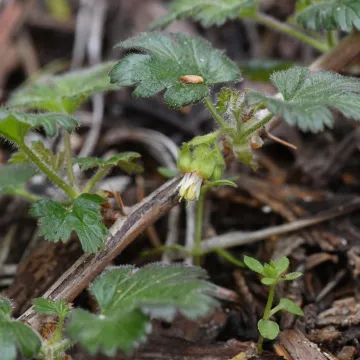
Botanically, Ribes tularense features lobed leaves and delicate inflorescences that bloom during the spring months. The resulting berries are primarily of ecological importance, serving as a critical food source for local birds and small mammals, although they are generally not harvested for commercial human consumption.
Regarding its cultivation, this shrub demands specific environmental conditions that mirror its natural habitat. Key requirements include:
- Well-drained, humus-rich acidic to neutral soil.
- Consistent moisture availability through irrigation.
- Protection from intense afternoon sunlight and excessive heat.
- Organic mulching to maintain root zone coolness.
The primary agricultural and scientific use of the Tulare currant lies in its potential for plant breeding. Breeders often study this species for its natural resistance to common Ribes diseases and environmental stressors. By cross-breeding, researchers aim to incorporate these beneficial traits into commercial currant varieties, improving crop resilience against pests and changing climate patterns.
Photo gallery