Rindera umbellata
Rindera umbellata
Description
Rindera umbellata is a perennial herbaceous plant belonging to the Boraginaceae family. Within the field of agronomy, this species is recognized for its adaptive traits in arid environments and its potential as a specialized crop for cultivation in marginal lands that lack sufficient moisture for traditional agricultural varieties.
The plant originates from the dry regions of Southeastern Europe and Western Asia. Its natural habitat includes rocky slopes and steppe ecosystems, which dictate its physiological reliance on well-drained, airy soils. Understanding this evolutionary history is critical for successful cultivation in farm conditions.
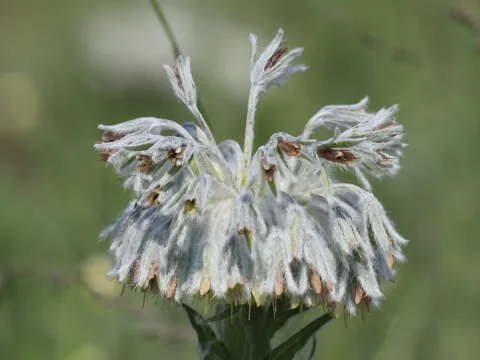
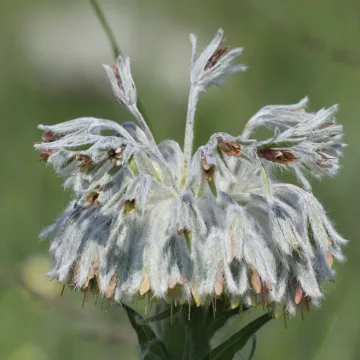
Botanically, Rindera umbellata features a deep taproot, a basal rosette of lanceolate leaves, and characteristic umbel-like inflorescences. These structures are optimized to minimize transpiration and maximize reproductive success in harsh, sun-exposed habitats. The plant typically reaches a height of 30 to 60 centimeters.
Cultivation practices must prioritize soil drainage to prevent root fungal infections, which are the primary limiting factor for this species in non-native environments. Seed propagation requires specific attention to dormancy-breaking techniques, and once established, the crop requires minimal irrigation, as it is highly efficient in water management.
- Excellent drought resistance and heat tolerance.
- Thrives in alkaline, sandy, or rocky soil compositions.
- High sunlight requirement for optimal biomass production.
- Minimal pest pressure compared to typical row crops.
The economic value of Rindera umbellata lies in its potential use in the pharmaceutical sector and as an important early-season melliferous crop. Its ability to produce nectar in challenging environmental conditions makes it a valuable asset for integrated pest and pollination management programs in arid farming regions.
Photo gallery