Pigeonberry
Rivina humilis L.
Description
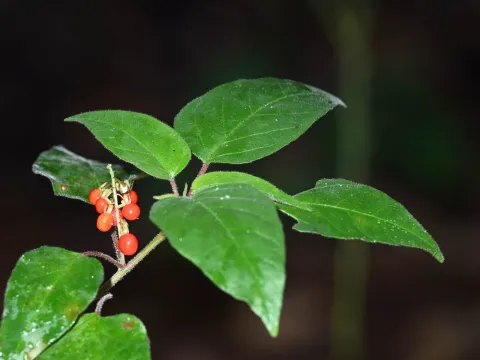
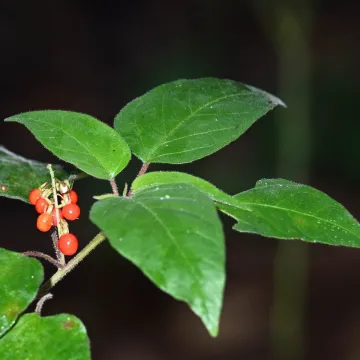
Pigeonberry (Rivina humilis) is a perennial herbaceous shrub belonging to the Phytolaccaceae family. It is widely cultivated in the horticultural industry for its ornamental value, characterized by its elegant foliage and vibrant red, inedible berries that persist on the plant for extended periods.
The species is native to tropical and subtropical regions of the Americas, ranging from the southern United States to various parts of South America. Its natural habitat is typically understory forest areas, which dictates its preference for filtered light and stable moisture levels in cultivation settings.
Botanically, Rivina humilis is a branched shrub with ovate leaves and terminal racemes of small, white-to-pinkish flowers. The plant's most striking feature is its fruit production, where the berries develop alongside ongoing flowering, creating a unique aesthetic appeal for interiors and shaded garden spots.
Agronomic management requires well-drained, nutrient-rich potting media. The plant thrives in environments with ambient temperatures between 18°C and 25°C. Excessive direct sunlight should be avoided to prevent foliar scorching, while high humidity levels promote healthy growth and vibrant fruit coloration.
Maintenance and disease management protocols focus on preventative measures. Common pests include whiteflies and spider mites, which can be mitigated through integrated pest management and humidity control. Maintaining proper soil moisture is essential; waterlogged soil often leads to root rot, necessitating a robust drainage system in containers or garden beds.
Photo gallery