Boynton's locust
Robinia boyntonii
Description
Boynton's locust (Robinia boyntonii) is a deciduous shrub belonging to the Fabaceae family. As a leguminous plant, it plays a vital role in soil enrichment through nitrogen fixation, making it a beneficial species for ecological restoration projects and sustainable gardening practices in various climates.
The species is native to the southeastern United States, primarily inhabiting mountainous regions. It has been introduced to other temperate zones where it thrives in gardens and parks. Its adaptability to diverse environmental conditions makes it a popular choice for ornamental cultivation in North America and parts of Europe.
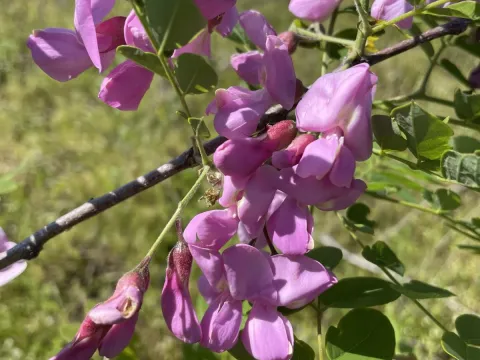
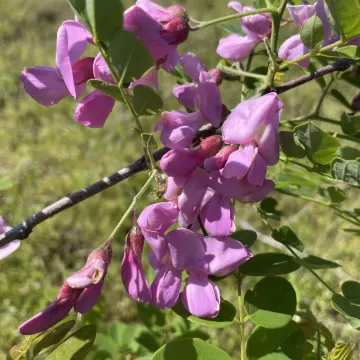
Botanically, it features pinnately compound leaves and displays showy rose-pink or purple racemes during the late spring. The shrub usually reaches a height of 3 to 4 meters, forming a dense and upright structure. Its distinct flowering color distinguishes it from other common Robinia species, adding aesthetic value to its environment.
When it comes to agronomic requirements, Boynton's locust prefers well-drained, sandy or loamy soils with a pH ranging from neutral to slightly acidic. Maintenance involves regular pruning to remove dead wood and occasional irrigation during extended dry spells to ensure healthy growth and full flowering potential.
The primary agricultural uses include ornamental landscaping, erosion control on slopes, and support for local pollinator populations. While generally hardy, the shrub can occasionally be affected by typical pests like leaf miners or various fungal pathogens if planted in areas with poor drainage and excessive humidity.
Photo gallery