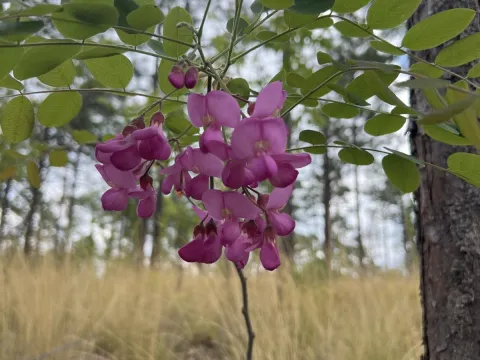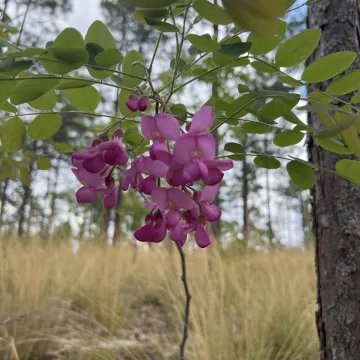
Dwarf locust
Robinia nana
Description
Dwarf locust (lat. Robinia nana) is a compact shrub belonging to the Fabaceae family. Known for its small stature, this cultivar is a popular choice for gardeners who want the classic elegance of a Robinia plant on a scale suitable for smaller landscapes, rock gardens, or borders.
Originally derived from North American species, the dwarf locust has been cultivated globally for its hardiness and aesthetic appeal. It thrives in temperate regions, adapting well to diverse environments provided that the basic requirements for light and drainage are met during the establishment phase.
Botanically, the plant features pinnately compound leaves and displays beautiful, fragrant inflorescences during its blooming cycle. As a member of the pea family, it shares typical nitrogen-fixing root characteristics, which can be beneficial to soil health in certain environments where the plant is established.
In terms of agricultural and horticultural requirements, this shrub prefers well-drained, fertile soil and requires plenty of direct sunlight. While it exhibits decent drought tolerance once established, consistent moisture during the first few growing seasons is essential to ensure robust root development and long-term health.
Proper maintenance involves regular structural pruning to manage its compact shape and remove deadwood. While generally resilient, the plant can be susceptible to common pests such as aphids or spider mites, and fungal infections like powdery mildew, particularly in areas with high humidity and poor air circulation.
- Low-maintenance gardening requirements.
- Excellent for small garden spaces.
- Attracts pollinators during the flowering season.
- Strong adaptability to various soil types.
- High tolerance for periodic dry conditions.
Photo gallery